A basaltic piton above the Lez
The old village of Montferrier is built at the top of a 150-metre peak hill, a vestige of an ancient volcano. Its houses and former fortifications are built of basaltic stones, giving the village its characteristic iron grey colour. It is 7 kilometres from Montpellier, in the middle of pine trees, olive trees and garrigue, and has 4,135 inhabitants.
Twenty-two minutes drive, a tram on site
From Saint-Jean-de-Védas, the road measures 14.9 kilometres and runs in 22 minutes. The village itself has a tram stop bearing its name, a rare situation among the municipalities at this distance. Accommodation in Saint-Jean-de-Védas remains relevant to combine this excursion with the rest of the agglomeration, via line 2, 7 minutes walk from the accommodation.
Saint Clement's aqueduct and Saint Stephen's church
The Saint-Clément aqueduct is listed for historical monuments, as is the town hall of Montferrier-sur-Lez, which is partly located in the old feudal castle of the village. The church of Saint-Étienne, of Romanesque origin, occupies the highest point of the rocky piton : it remains of this time that the bell tower and polygonal abside, the rest having been redesigned over the centuries, with a reconstructed ogival portal that reuses original Romanesque elements.
CIRAD, a commune focused on agronomic research
Montferrier-sur-Lez hosts a large part of the facilities of the CIRAD, the institute of agronomic research for development, present on the commune since 1974. 521 establishments are located in the Territory and the scientific and technical specialized activities sector accounts for 26.9 per cent of total enterprises, compared with 17.1 per cent at the departmental level.
The castle, the circulade and the artist house
In the 17th century, Antoine du Vidal, lord of Montferrier, had the castle rebuilt in the manner of a small Versailles, with an orangery and an aviary near the stables. King Sun's brother, Philippe d'Orléans, and the ambassador of the Ottoman Empire stayed there at that time. The crystal chandelier and the fireplace of the festive hall today recall this period of fascist, before the castle was vandalized at the Revolution and then restored in the 20th century. The rue du Four once formed the main street of the village, organized in traffic around the castle : the Grand Portail, near the church, served as the main entrance when you arrived from Montpellier, and the Portail Neuf, at the other end, housed the communal oven. Near the church of Saint Stephen, the house of artist Masri is distinguished by its exterior decorations, a detail that is discovered by strolling through the alleys of the old village.
A polyculture agriculture, between plain and garrigue
The municipality is located in the Soubergues, a small agricultural area in the northeast of the Hérault, where the technical-economic orientation remains polyculture and polyfarming. Eight farms had their headquarters in Montferrier-sur-Lez in 2020, compared with 34 in 1988, on a used agricultural area of 218 hectares. For families, the Ludic Space completes the terraces of the castle as a place to walk.
For whom this base makes sense
- A professional appointment linked to the CIRAD or the neighbouring research institutes, with the workspace and wifi of the accommodation to prepare the day.
- A walk on the terraces of the castle, overlooking the Lez valley, before going down to Saint-Jean-de-Védas and the tram.
- A stage between Montferrier-sur-Lez, Clapiers and Prades-le-Lez, three villages close to each other north of Montpellier.
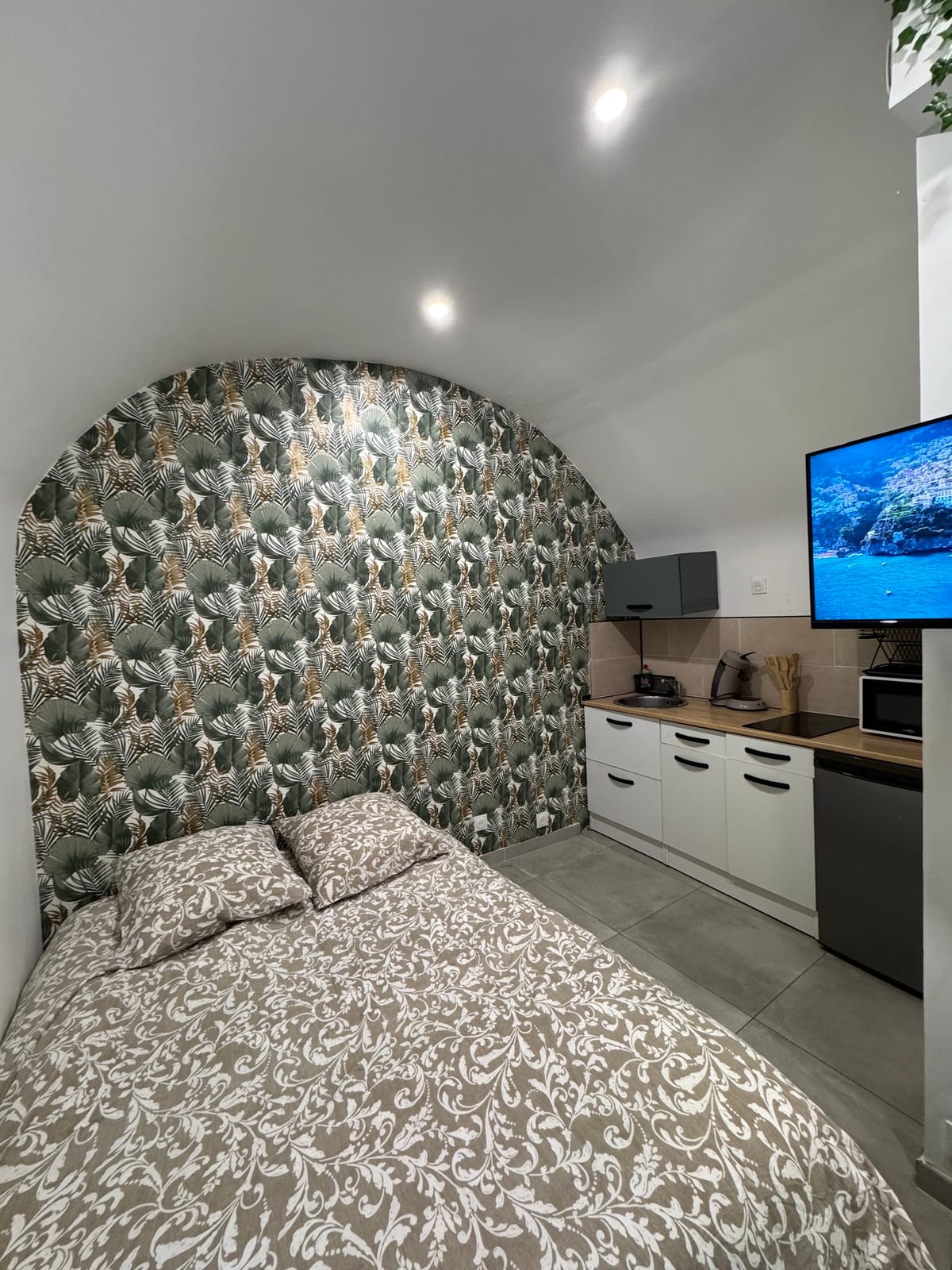
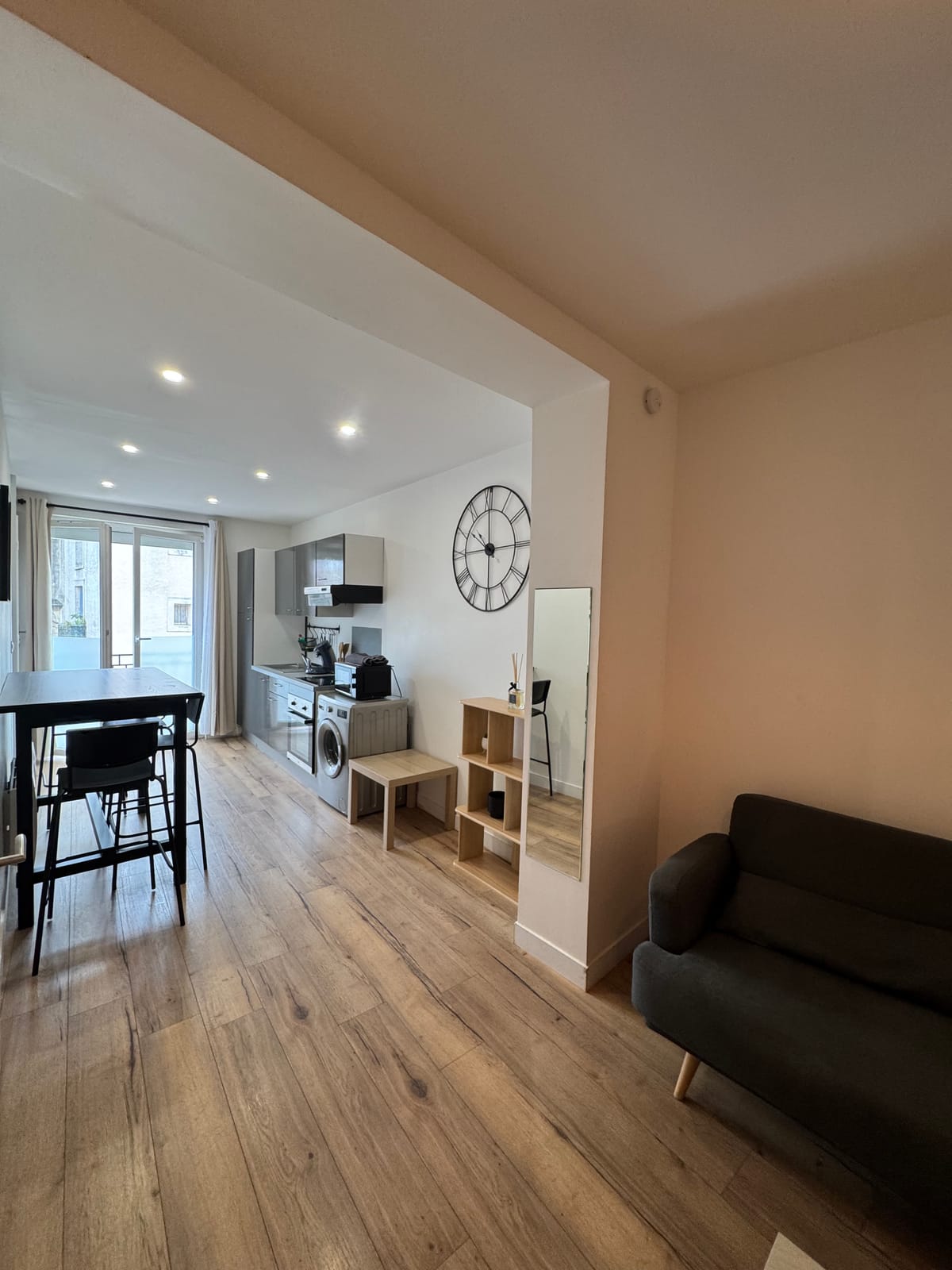
- A stay for two in the studio, or as a family in the duplex, to radiate on the northern communes of the agglomeration without returning to the car every night.