A city-door between motorway and railway
Baillargues has 7,829 inhabitants out of 7.8 square kilometres and is part of Montpellier Méditerranée Métropole. The territory is structured by the A9 motorway in the north, the Berange river in the east, and the Montpellier-Nîmes railway in the south : between these axes are the old dense center, recent subdivisions and a commercial activity area.
Nineteen minutes by car from the accommodation
From Saint-Jean-de-Védas, the road measures 20.2 kilometres and runs in 19 minutes, via the A9 crossing the north of the commune. Baillargues remains an easy destination for a morning or afternoon, without encroaching on the evening in downtown Saint-Jean-de-Védas.
The golf course of Massane and the way to Arles
To the south of the railway line, the old vineyards of the Mauguio plain have given way to the golf course of Massane, designed by Californian architect Ronald Fream : an 18-hole course, a second of 9 more compact holes, and a training centre. The GR 653, known as the road to Arles, one of the historic routes to Santiago de Compostela, also crosses the town.
Two Romanesque churches from the old center
The church of Saint-Julien-et-Sainte-Basilisse occupies the centre of the oldest part of the village, probably built in the 12th century and then fortified in the 15th century to protect the inhabitants; It has been listed as historical monuments since 28 June 1963. Outside, on the edge of the motorway interchange, the former Romanesque church Saint-Antoine-de-la-Cadoule has been registered since 13 February 1926. The castle of Layrargues preserves its court of honour, its wrought iron gate and its park planted with pine trees of Aleppo.
Gallo-Roman domain now Baillargues and Colombians
The name Baillargues has been attested since 825, in the form of Villa de Bajanicis, memory of a Gallo-Roman estate founded by a certain Ballius near the Domitian way. The fortified village occupies, in the 12th and 13th centuries, an ancient castrum of which it remains thick walls, a corner tower and a monumental door with two arches; It still had 11 fires in 1377, a sign of a modest population before the extension of the suburbs after the Hundred Years' War. In the 17th century, the parish was integrated into the Marquisat de Castries, which was erected in 1645, with 426 inhabitants in 1709, a figure that fell to 310 after an epidemic of plague in 1743. At the Revolution, Baillargues absorbed the neighbouring municipality of Colombiers and took the name Baillargues-et-Colombiers, before taking over its present name in 1908. On the 14th July square, the monument to the dead, carved in the workshops of Jean Mérignangues, was inaugurated in 1922 on the courtyard of the church before being moved.
A commercial and agricultural municipality
947 establishments are located in Baillargues, of which 196 are in commerce, transport, accommodation and catering, representing 20.7 per cent of the total, a figure close to the departmental average of 28 per cent. The municipality is part of the urban area of Montpellier, east of the city, on the national road 113 which leads to Lunel. Nineteen farms had their headquarters in the commune in 2020, compared with 88 in 1988 on a used agricultural area of 294 hectares.
For whom this base makes sense
- A golf outing at the Massane course, less than 20 minutes from the accommodation.
- A stop on the way to Arles, before taking the road to Santiago de Compostela or going down to Saint-Jean-de-Védas.
- A professional appointment in the Baillargues activity area, with 947 establishments listed in the municipality.
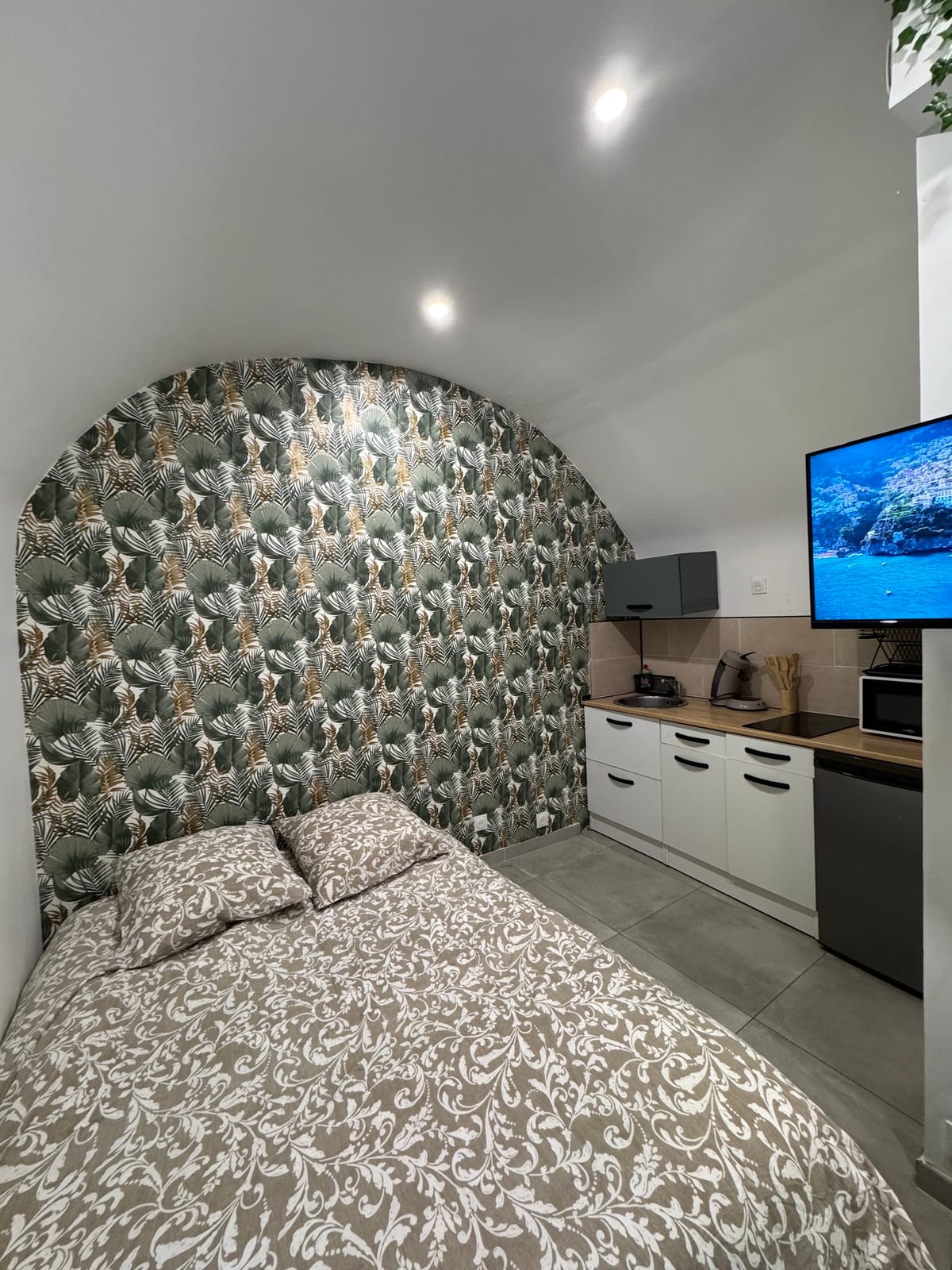
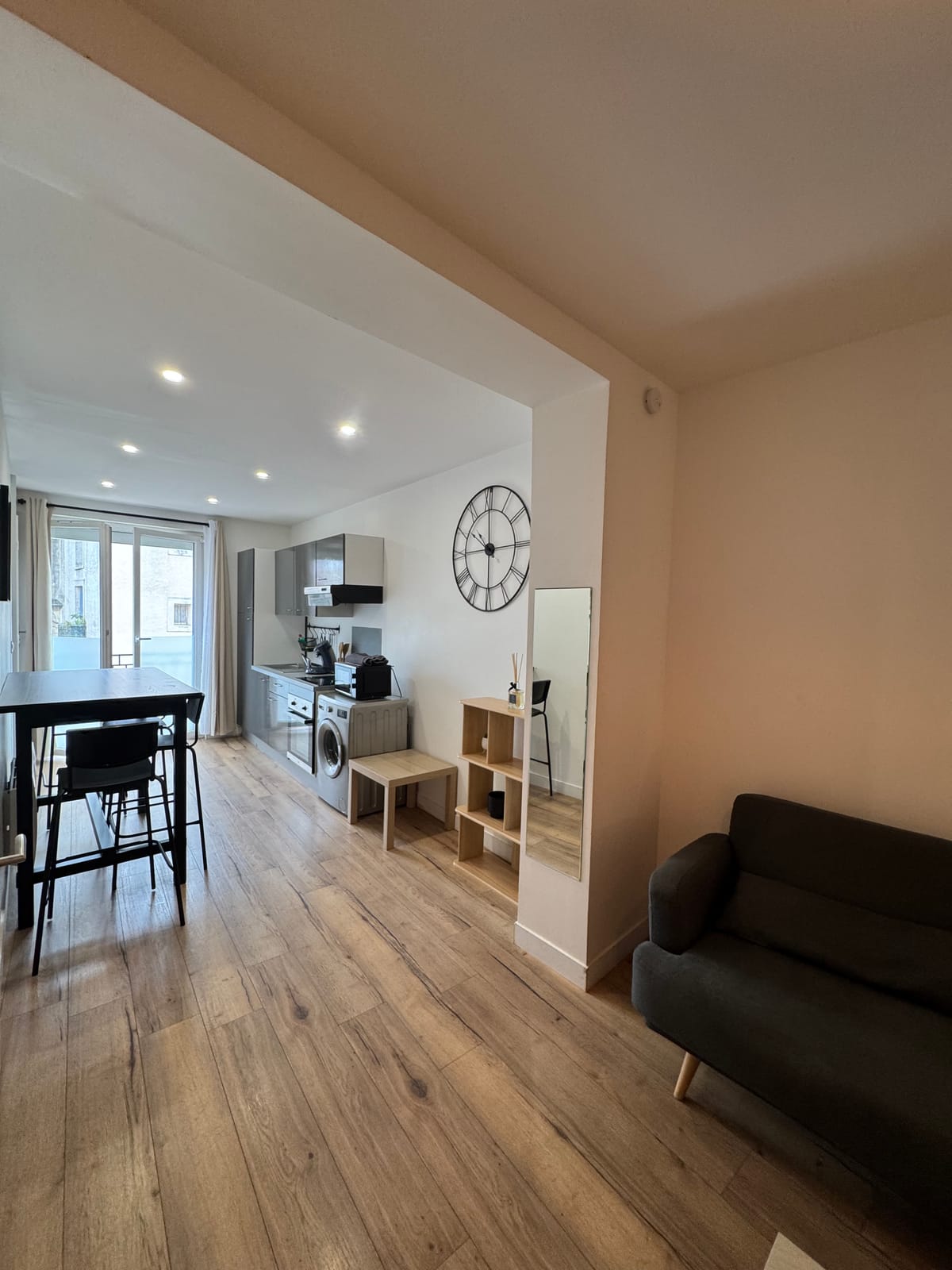
- A stay in the studio or the duplex, at the same address, 7 minutes walk from the tram for evenings in Montpellier.