A fortified village became domain of the French Academy
Castries has 6,883 inhabitants on a territory of 24.1 square kilometres, east of Montpellier, 11.8 kilometres away by bird flight. The site shows traces of an ancient occupation : a Roman guard post guarded the Domitia way from the first century, and Castra's name appears in local texts in the tenth century. By the end of the 14th century, the village had only eleven fires, or about 55 people, before the following centuries transformed it into a fortified village with two access gates.
The present castle was rebuilt around 1520, on the bases of an old castle fort razed by the family of La Croix, who had bought the baronie in 1495. In 1985, René de Castries bequeathed the estate to the French Academy, which still owns it today. It is the most famous landmark of the village, visible from a distance with its mansard roofs covered with varnished tiles.
Twenty-five minutes east of the city
From Saint-Jean-de-Védas, it takes 23.8 kilometres and about 25 minutes to reach Castries, crossing Montpellier from west to east. It is one of the longest trips in this area, making it a day trip rather than a drop point for sleeping.
Castries is located in the same north-east quarter of the agglomeration as Sussargues, Saint-Jean-de-Cornies and Vendargues, which allows several villages to run on the same return journey rather than multiplying the return journeys from Saint-Jean-de-Védas.
Classified castle, aqueduct of Riquet and old bridge
The estate of Castries, classified as a historical monument since 2004, includes the castle itself, classified since 1966. Its aqueduct, built by Pierre-Paul Riquet, engineer of the Canal du Midi, has been classified since 1949. The bridge over the Cadoule, at the entrance of the village, has been registered since 1946.
The church of the Invention-de-Saint-Étienne, of neo-Gothic style and surmounted by a high stone arrow, houses a bell classified as a historical monument dating from 1664, the work of founder Lonar Bordes. The remains of the former parish church Saint-Étienne, built around 1050 and collapsed in 1870, were transformed into square, classified since October 20, 1960. The municipality has a total of four listed monuments and 81 objects in the inventory of historical monuments.
An episode of World War II
On 17 July 1944, an American B-24 bomber, hit by the air defence over Avignon, made a forced landing on his belly in a vineyard in the commune. Of the nine crew members, two were still on board during the landing : the first officer, taken prisoner by the Germans, and the machine gunner, who died of his injuries and was buried at the village cemetery before being repatriated to the United States in 1956. A street in Castries today bears its name.
For whom this base makes sense
- A desire for classified heritage : castle, aqueduct and bridge are visited over the same half day.
- A move east of the Hérault Castries remains a practical crossing point to Sussargues, Vendargues or Baillargues.
- A stay that alternates east and west of the agglomeration The central position of Saint-Jean-de-Védas avoids choosing one side of Montpellier.
Studio or duplex for an exit to Castries
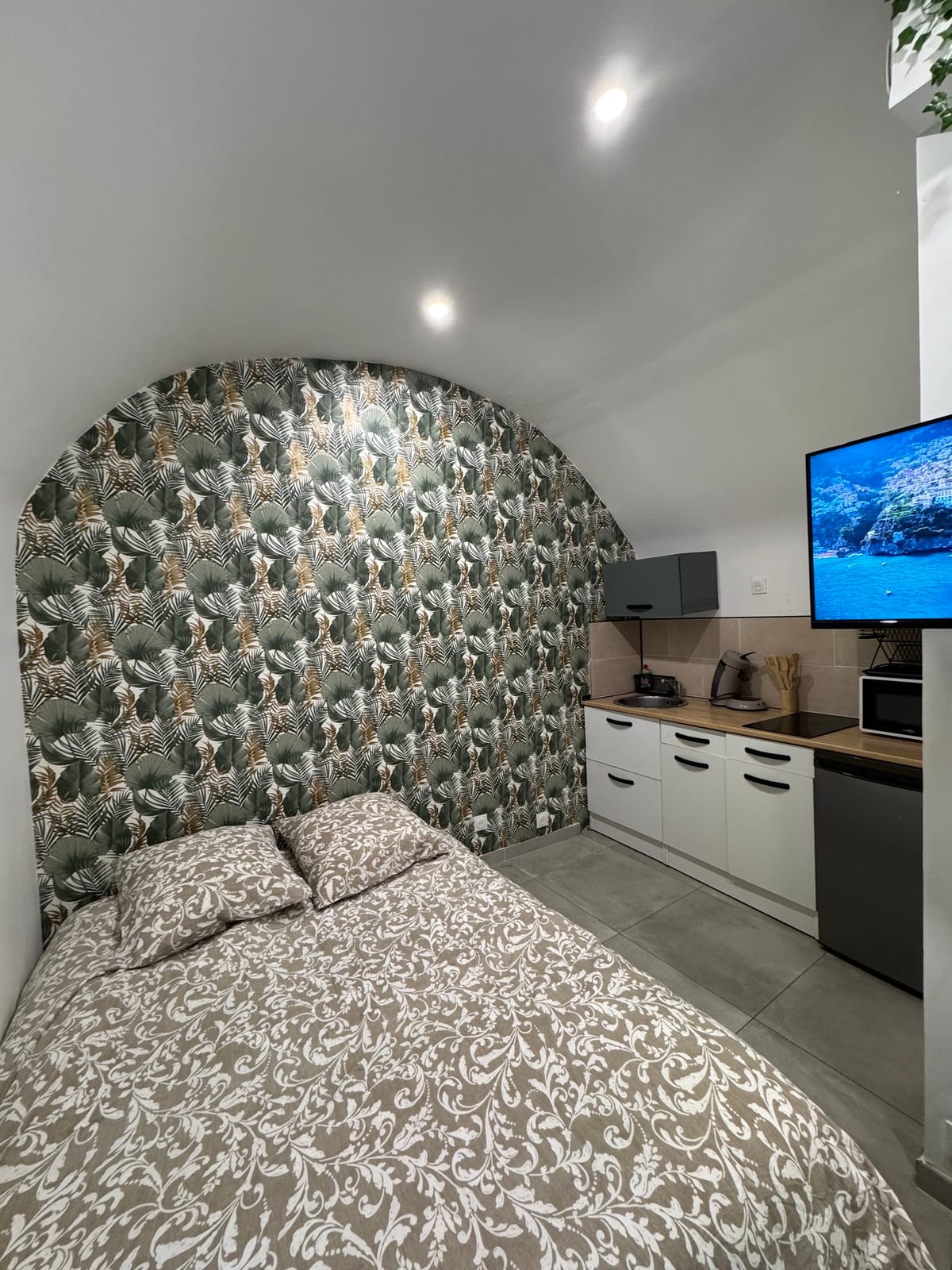
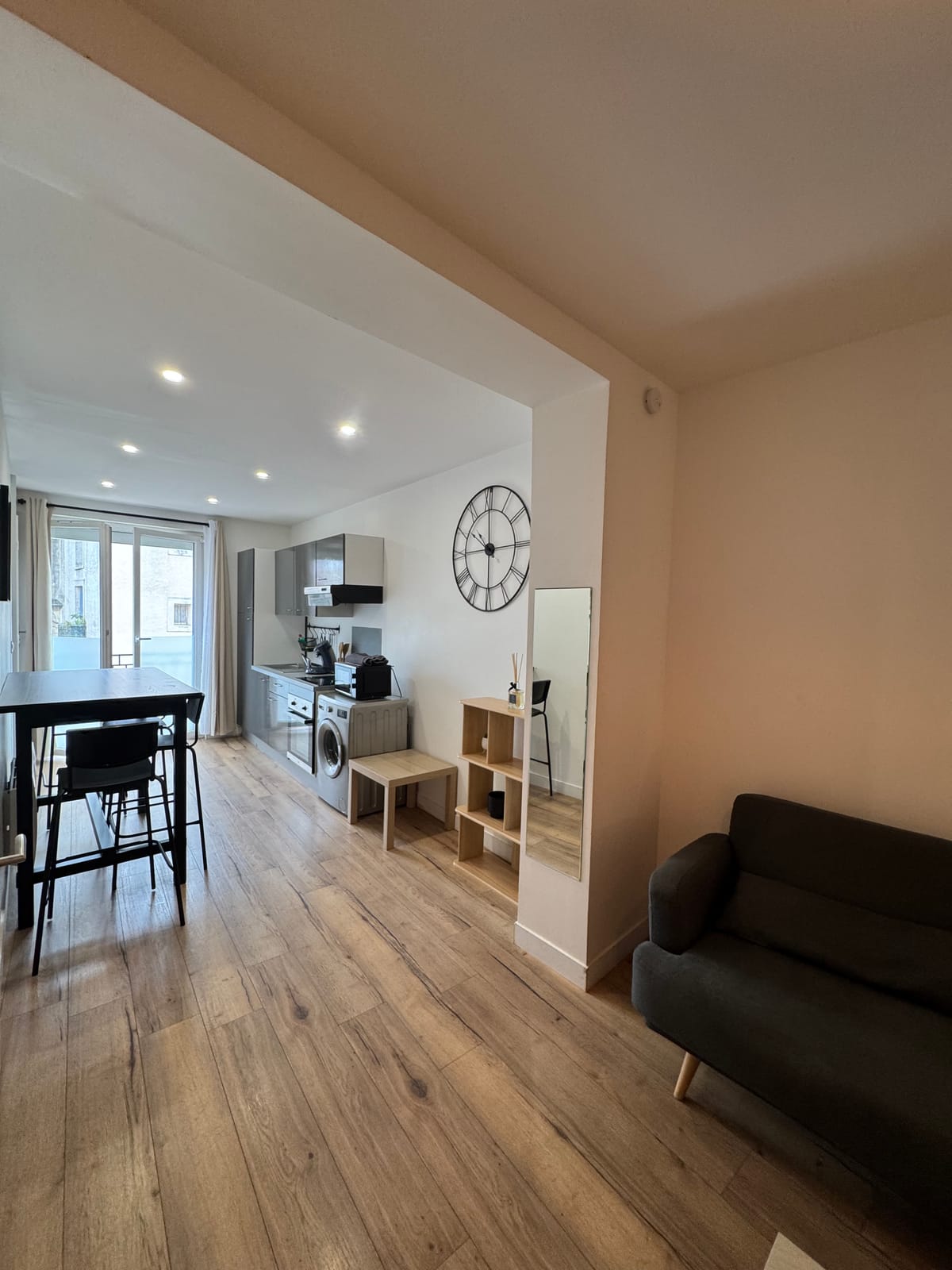
On two, the studio suitable for a day castle and aqueduct, with its work space if the visit ends with a few emails. Family, the duplex offers 2 bedrooms and 3 beds, convenient to combine Castries with a nearby village the next day. Both units are in downtown Saint-Jean-de-Védas, with quick access to the A9 to east of the Hérault. Page on Vendargues complete eastbound route.