A village of hills between vineyards and garrigues
Combaillaux has 2,001 inhabitants in a territory of 9 square kilometres, northwest of Montpellier. The south-east half of the territory forms a vineyard plain crossed by the Mosson and its tributary the Balajade, while the north half climbs towards the wooded garrigues of Valène wood. The village itself was built on a hill, with the hamlet of the Sajolles on a second nearby hill.
The municipality borders Grabels in the south, Vailhauquès in the west for 300 metres, Murles in the west and north, and Saint-Gély-du-Fesc in the east. It is a tipping point between the urbanized plain of the agglomeration and the first wooded reliefs of Montpellierais, in an area that the regional ecological inventory ranks among the wooded garrigues of the northwest, on 16,219 hectares shared with 16 other communes.
Twenty-eight minutes to the first reliefs
The route from Saint-Jean-de-Védas represents 16.4 kilometres, in about 28 minutes, by departmental roads that cross the agglomeration before climbing towards the hills. It forms with Vailhauquès and Murles a trio of garrigue villages in this area.
Once on site, the local roads remain on service : direction Grabels and Montpellier to the southeast, Saint-Gély-du-Fesc to the northeast, Montarnaud to the west. To organize a loop in neighbouring villages without returning systematically by the same axis. The road infrastructure remains deliberately modest, like a village that has long lived from viticulture before the arrival of the first inhabitants from the agglomeration.
The church Saint-Blaise and an unusual choice for wastewater
The church of Saint-Blaise de Combaillaux, rebuilt in the mid-19th century, retains a bell tower that houses a bell classified as a historical monument, dating from 1739 and signed by the master fondeur Jean Poutingon. It is the main heritage landmark of the village, with a cross and a calvary recorded at the Air, on the heights.
More recently, a local curiosity deserves to be known : in 2005, the municipality adopted the use of a species of lumbric for the reprocessing of its domestic wastewater, a rare choice for a village of this size, revealing a commune that sought to reconcile residential growth and environmental management of its agricultural territory.
A name dating back to the 12th century
The oldest documents mentioning the village date from the middle of the 12th century, in the form "mansum de Combalols" in 1155 and then "Villa de Combalhalis" in 1258. The name has changed little since then, unlike other neighbouring villages whose spelling has changed a lot. The local economy remains marked by viticulture : the municipality has 9 farms in 2020, compared with 22 in 1988 for a used agricultural area of 220 hectares.
For whom this base makes sense
- A natural getaway in the garrigues : Combaillaux, Vailhauquès and Murles visit each other in one day, without staying on site.
- A visit to relatives in the area : the kitchen equipped with both units allows you to receive without dependent on a restaurant in the village.
- A stay that mixes countryside and metropolis : the hills by day, the tram and Montpellier in the evening from Saint-Jean-de-Védas.
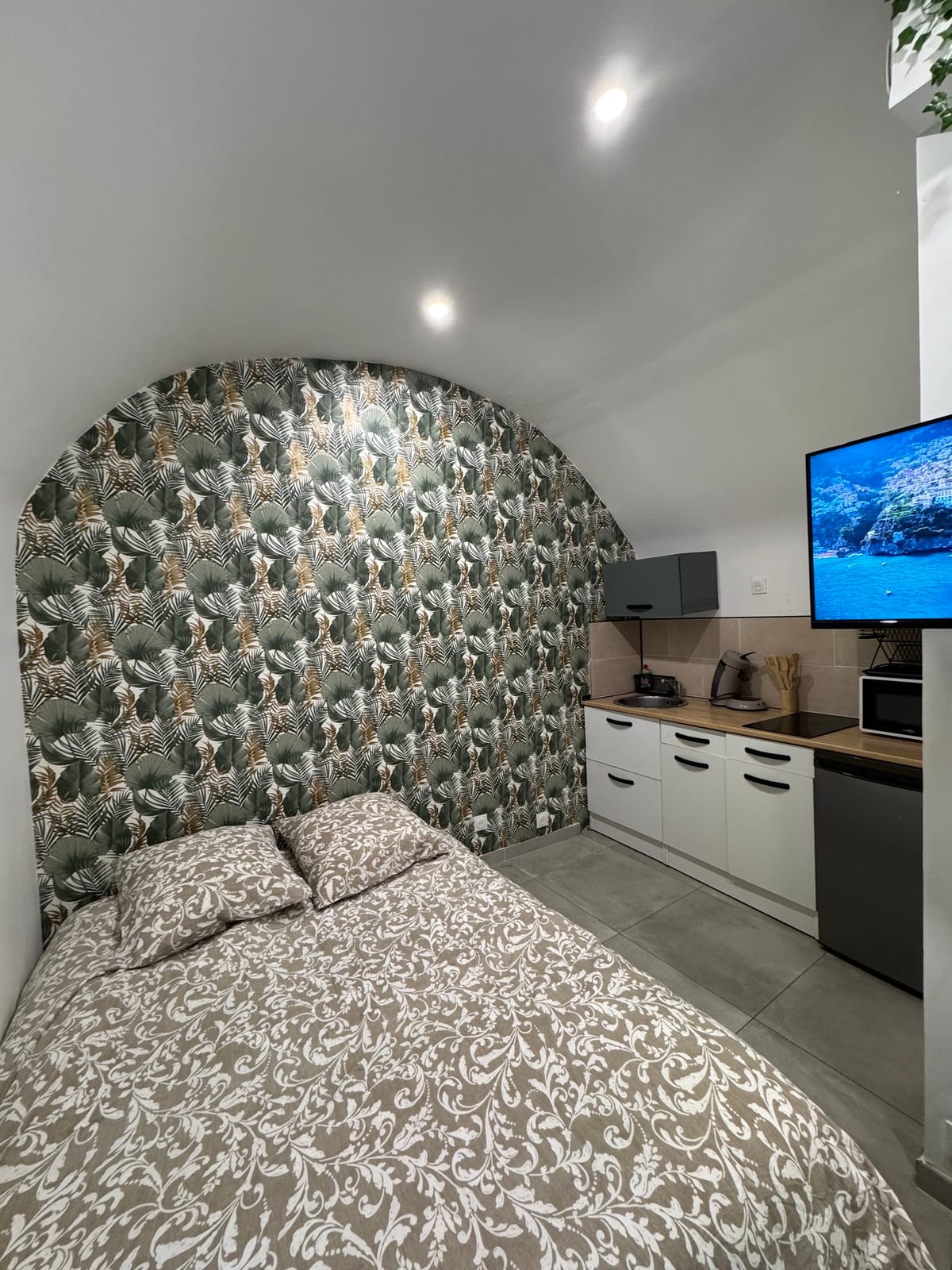
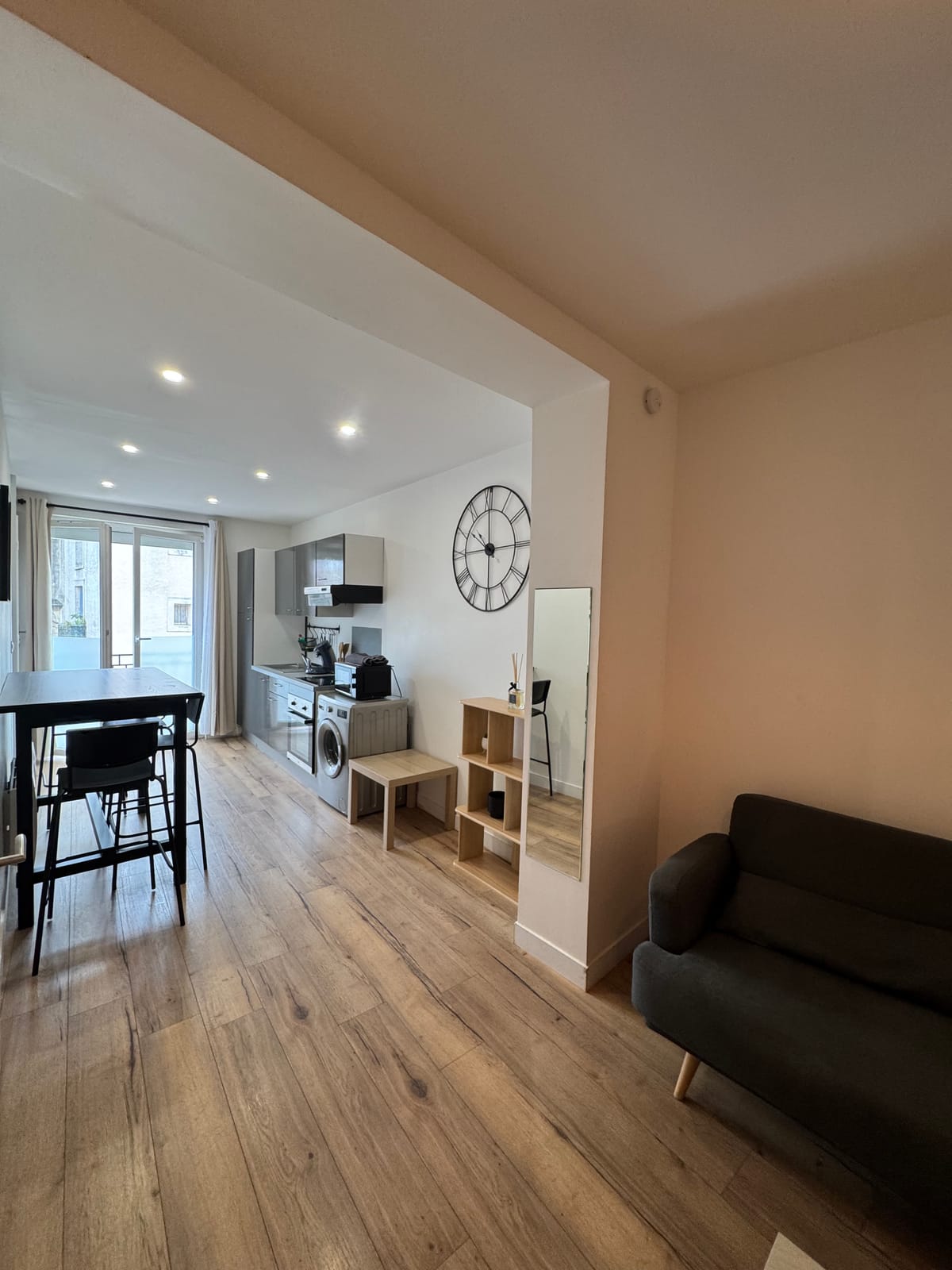
Studio or duplex to explore the northwest garrigues
For a two-way, the studio enough, with its practical workspace if the day ends with a few emails. Group or family, the duplex offers 2 bedrooms and 3 beds, with a washing machine welcome after a hike in the garrigues. Both units are located in the city centre of Saint-Jean-de-Védas, with free parking at 200 meters to leave early towards the hills. Page on Vailhauquès, right next door, extends the visit.