Montarnaud, on the way to Saint-Jacques
Montarnaud spreads over the narrow plain where the Mosson comes from, west of Montpellier, backed by the Rouvière wood. The GR653 follows the medieval route between Arles and Santiago de Compostela, and many walkers still cross the village today. It is a rural municipality of 4,208 inhabitants, long organized around its castle as early as the 11th century, before the population boom extends far beyond its ramparts, with recent subdivisions that have been added to the ancient core. More than fifty associations, humanitarian, sports or cultural, are now leading the life of the village, alongside a crèche, a youth service, an aerated centre and a library, facilities that exceed what would be expected from a municipality of this size.
19 minutes by A750
From Saint-Jean-de-Védas, Montarnaud is joined in 19 minutes for 16 kilometers, by the A750 motorway and exit 61, built to facilitate the movement between the commune and the Montpellierian employment areas. It is a direct journey, without crossing the centre of Montpellier, useful both for a day hike and for a professional appointment in the area, with the guarantee of smooth access even at peak times.
11th century castle and its castral chapel
Montarnaud Castle is one of the oldest in the region. Property of the lords of Montpellier before being rebuilt in the 14th century and then dismantled on the order of Richelieu, it regained its present appearance in the 17th century and remains, despite the reconstructions, faithful to its ancient appearance. It has been listed as a historical monument since 2015 and is open to the public in the summer, as is the Romanesque Castral Chapel of Notre-Dame-du-Fort, an ancient castle church registered since 1992. A campanile surmounted by a public clock completes the whole, a Mediterranean particularity that once marked the opposition between the time of the church and that of trade and agriculture. A votive party gathers the village in mid-August, as in many hinterland communes.
The Mas God, a garrigue saved by its inhabitants
A few kilometres from the centre, the territory of Mas Dieu illustrates a victorious citizen mobilization : in the early 1990s, the inhabitants of Montarnaud and three neighbouring communes opposed the project of landfill that threatened this garrigue, classified as a natural area of ecological interest. Today the site welcomes wine growers and olive growers, as well as pastoral activity, with an ongoing educational project around garrigue, sustainable agriculture and pastoralism, led by a union that brings together Montarnaud and its three communes partners in this mobilisation.
For whom this base makes sense
- A step on the GR653 : the accommodation serves as a comfortable drop-off point before or after a portion of the road to Compostela, with a kitchen equipped to prepare the bag the next day.
- An appointment at the Saint-Antoine clinic The A750 route remains direct, without crossing Montpellier.
- A garrigue outing at daytime : the Mas Dieu and the Bois de la Rouvière combine with a quiet return side tram and shops.
Studio or duplex before taking the way
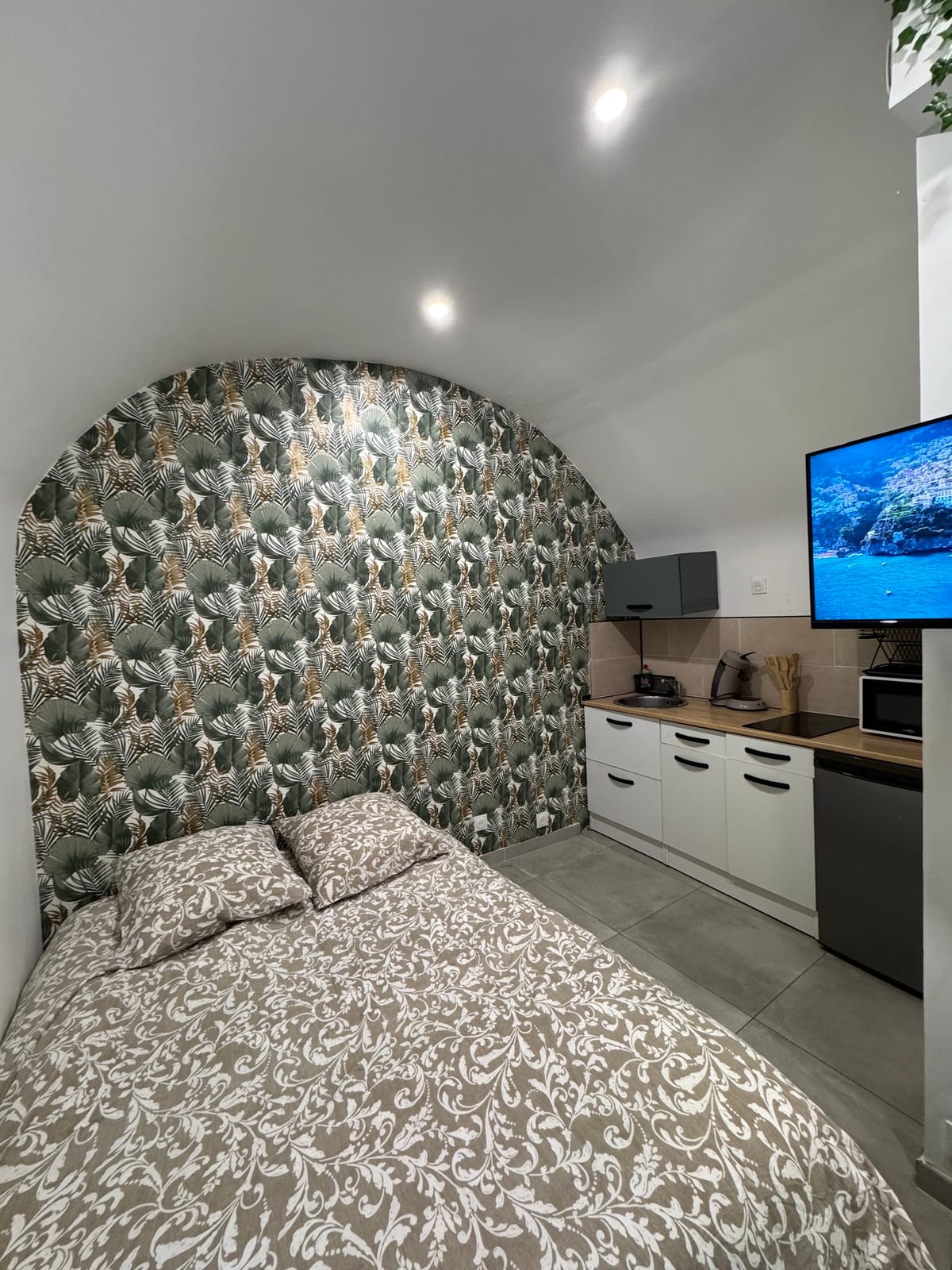
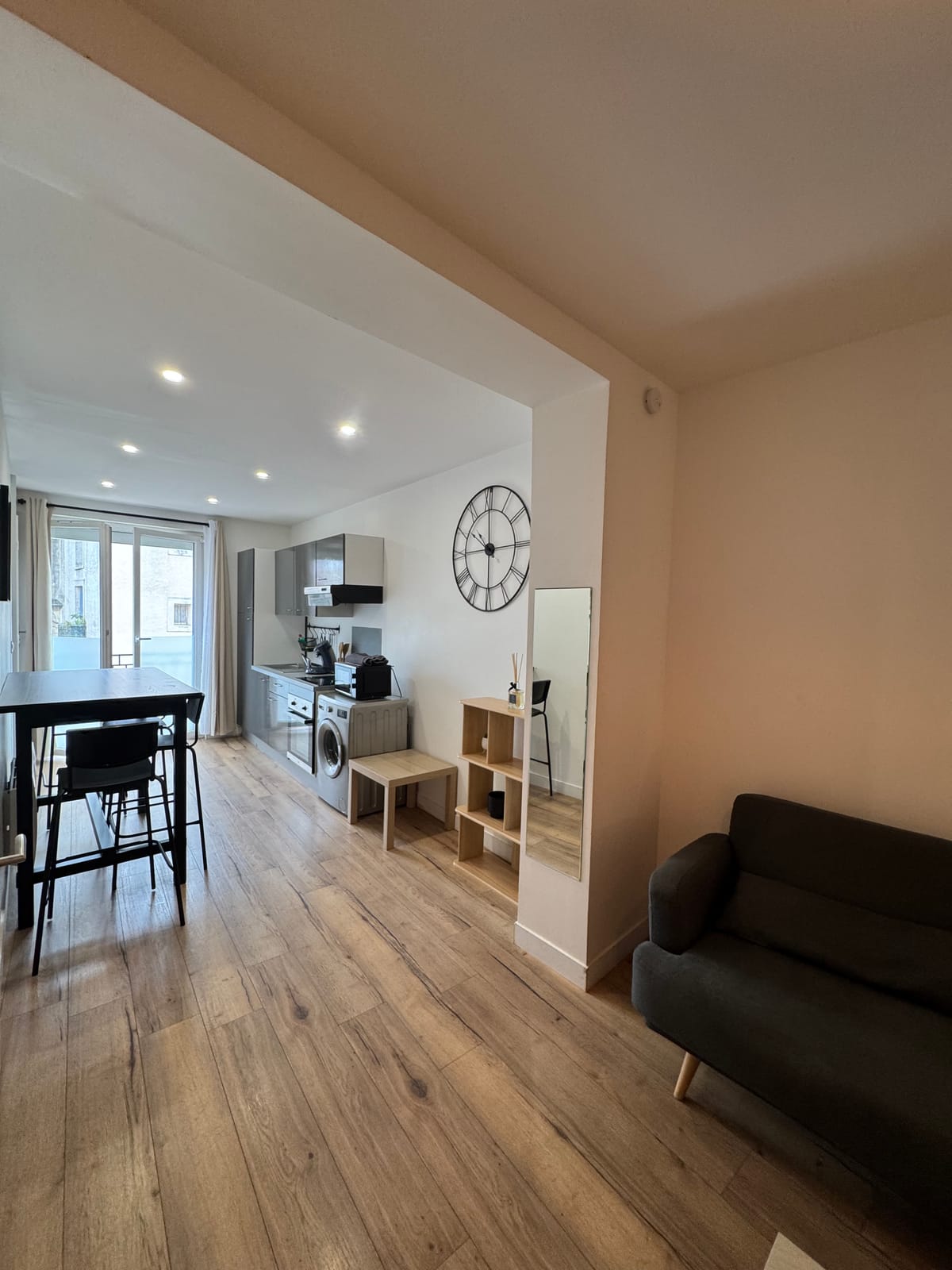
For a solo or double stage on the GR653, the studio offers essentials : double bed, equipped kitchen, work space. Group or family, the duplex offers two bedrooms, three beds and a washing machine, convenient for washing walking equipment. Both units are at the same address, in downtown Saint-Jean-de-Védas, with a stay open from one night. Towards the west, the page dedicated to Vailhauquès extends the selection of municipalities near the Mosson Valley.