A village of the Petite Camargue
Lansargues has 3,233 inhabitants on 18.6 square kilometres and is located in the heart of the Petite Camargue, between the golden pond in the south and the Cevennes in the north. The town is drained by the irrigation canal of Bas-Rhône Languedoc, the Lansargues Canal, the Berange and several other rivers. The municipality is coastal without directly touching the sea, protected by two classified areas : the gold pond, acquired by the Coastal Conservatory on 609.4 hectares, and the Petite Camargue itself, a wetland recognized by the Ramsar Convention on 41 705.5 hectares.
Twenty-eight minutes to the gold pond
From Saint-Jean-de-Védas, the road measures 26.5 kilometres and runs in 28 minutes. The landscape changes completely along the way : from the hills of Montpellieran west to the wet plain of the Golden Pond, a Natura 2000 site of 7,020 hectares known for its bird diversity.
The church of Saint Martin and the memory of the Lovers of the Pont Neuf
The Saint-Martin church, classified as a historic monument since 1979, occupies the centre of the village, near the town hall square, located on the site of the old shopping halls. Lansargues also owes part of his fame to the cinema : the film Les Amants du Pont-Neuf, by Leos Carax with Juliette Binoche and Denis Lavant, was shot in part, with the construction of a replica of the Paris Pont-Neuf.
A family break between farm and swimming pool
For a moment with the family, the educational farm Les Petits Fermiers au Pays de l'Or and the Robert Flavier pool complete an exit by the pond. The Montels estate offers another walking space, away from the centre of the village.
An economy linked to the wine plain
296 establishments are located in Lansargues, of which 70 are in commerce, transport, accommodation and catering, or 23.6% of the total, a figure close to the departmental average of 28%. Forty-six farms had their headquarters in the municipality in 2020, compared with 136 in 1988 on a used agricultural area of 1,713 hectares, a marked increase over the 894 hectares of 1988.
Gallo-Roman history, general and two Olympic medallists
Lansargues owes its name to the Roman gentile Lancius, to which has been added the suffix -anicis, become over time the suffix -argues very common in the region; the name Lansanègues was also used in the past, before the current form was required. Its inhabitants are called Lansarguois or Lansarguois. A milestone dedicated to Emperor Claude, discovered on the commune, is now visible in the park of the castle of Teillan, in Aimargues, in the Gard. As early as 888 Lansargues appeared among the towns of the Barony of Lunel, proof of an ancient occupation of this territory of the Petite Camargue. During the Revolution, the popular society of the village had 160 registered members, or 13% of the population, an exceptionally high participation for the time. The village also saw the birth and death of Joseph Morel, general of the First Empire, between 1763 and 1834. More recently, the brothers Felix and Alexis Lebrun, bronze medallists at the Paris Olympic table tennis games, live in the commune : another face of this village that combines agricultural and high-performance sports heritage.
For whom this base makes sense
- A natural exit by the golden pond, to observe birds from one of the richest wetlands on the coast.
- A family afternoon between the educational farm and the village pool.
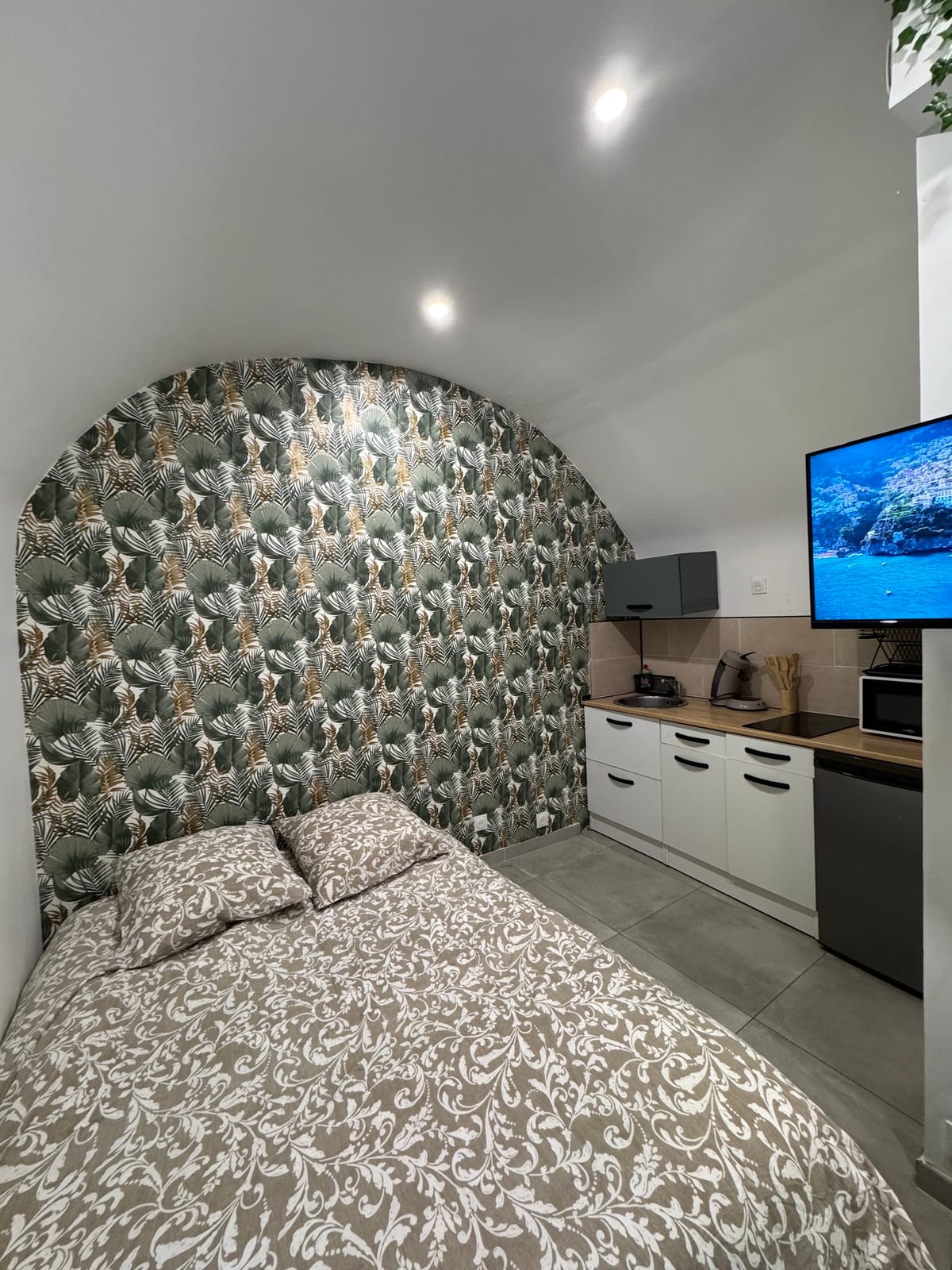
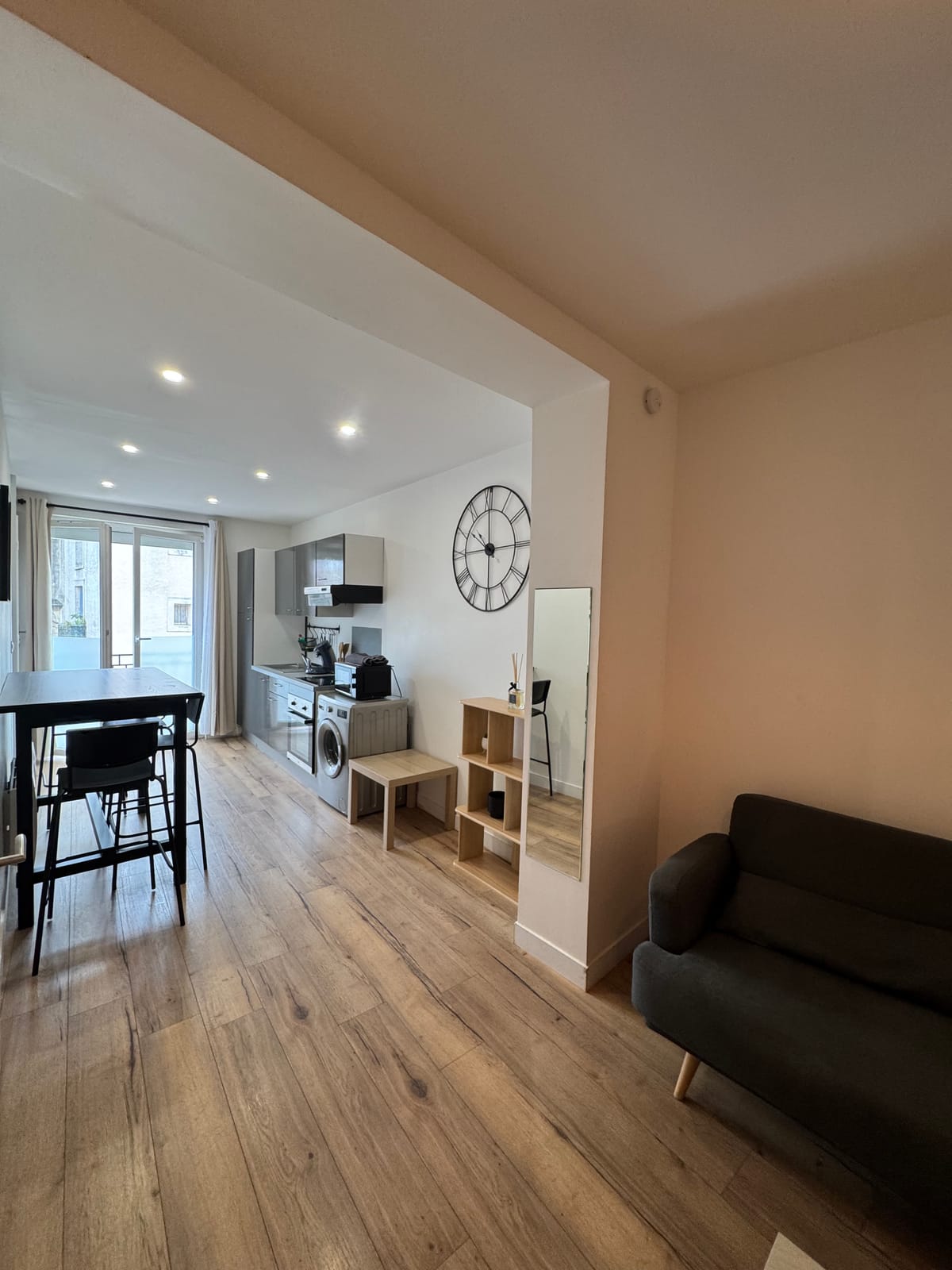
- An interest in the cinema, in the traces of the shooting of the Lovers of the Pont-Neuf, before returning to the studio or the duplex in Saint-Jean-de-Védas.