Candillargues, on the north shore of the Golden Pond
Candillargues has 2,091 inhabitants, about 15 kilometres east of the centre of Montpellier and four kilometres from Mauguio, the canton's capital. The village borders the north shore of the Golden Pond, surrounded by two small streams, the Cadoule to the west and the Berange to the east. The pond itself is a land of 609.4 hectares acquired by the Conservatoire du littoral, and it is part of the Petite Camargue, a vast wetland protected by the Ramsar Convention on 41 705.5 hectares. It is a plain territory, unsealed coastline, between agricultural and reedlands, very different from the more urban municipalities of the first crown of Montpellier. The municipality has seen a sharp increase in its population since 1962. It also preserves a stele in memory of Mathieu Sierra, and a water point called the Cros du Mas completes this marsh landscape in the middle of the reeds.
An aerodrome and a Camargue tradition
On the pond side, the Candillargues airfield includes a 900-metre runway reserved for ULM flights. Every year, the village celebrates the feast of Saint-Blaise, its patron saint, on the first weekend of February : the opportunity for the inhabitants to perpetuate traditional taurine races with the help of Camargua manades. Candillargues Castle, now a private condominium building, completes the village's built heritage, alongside the church and its bell of 1648.
From the vine to the arboriculture
The vines planted in the 19th century gave way to arboriculture in the second half of the 20th century, with the arrival of the irrigation canal of Bas-Rhône-Languedoc, which passes a few kilometers to the north, on the side of Mudaison. During the French Revolution, the commune temporarily carried another name, Como-de-la-Palus, before taking over its original name. The sector of specialized activities and administrative services remains today the village's first employer, with 40 of the 167 establishments registered in the municipality, in front of the trade and agriculture, which long shaped the landscape of the municipality.
The church Saints-Côme-et-Damien, classified as a historical monument
In the village itself, the church founded in the 12th century, also bears the name of Saint-Blaise church and gives its name to the main street that borders it. Its bell dates back to 1648, and ancient frescoes were discovered there in 1978, during restoration work which allowed to better know the history of the building. The building has been listed as historic monuments since 1982, making it the only listed monument in the municipality.
To Candillargues, four kilometers from Mauguio
It takes 27 minutes by road, for 26.8 kilometers, in fluid traffic, to reach Candillargues from the accommodation. Candillargues is about 4 kilometers from Mauguio, the canton's capital, a useful landmark for organising an exit that combines the two municipalities.
What motivates a stay here
- A natural exit around the golden pond The Petite Camargue is suitable for a quiet walk, between reeds and waterbirds.
- An interest in light aviation The ULM airfield attracts a particular public, curious to fly over the ponds and the surrounding agricultural plain.
- A step towards the Grande-Motte : Candillargues is located on the road between Mauguio and the coast, for a stay that combines ponds, countryside and beaches without ever getting away much.
Studio or duplex for a stay near Candillargues
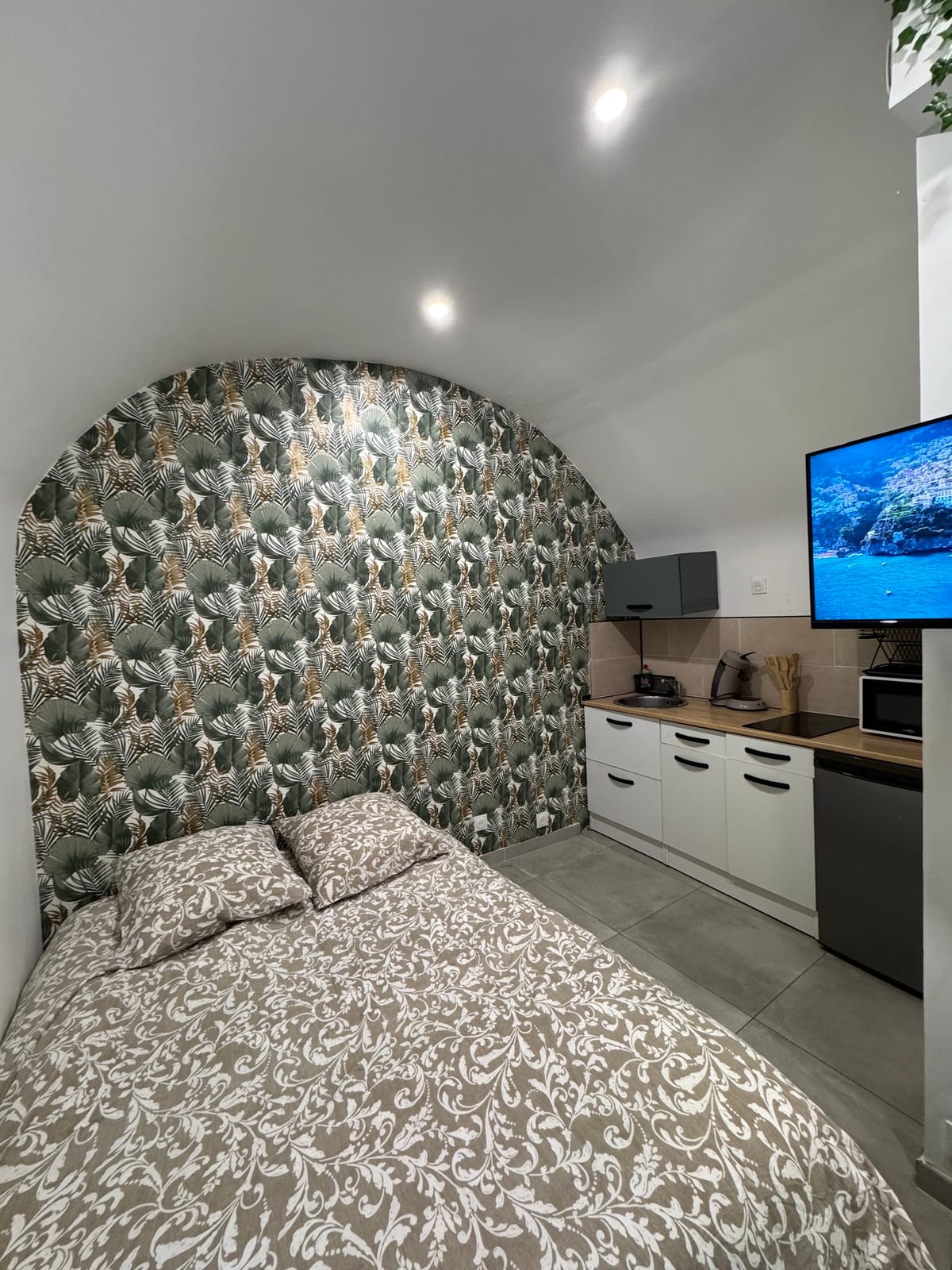
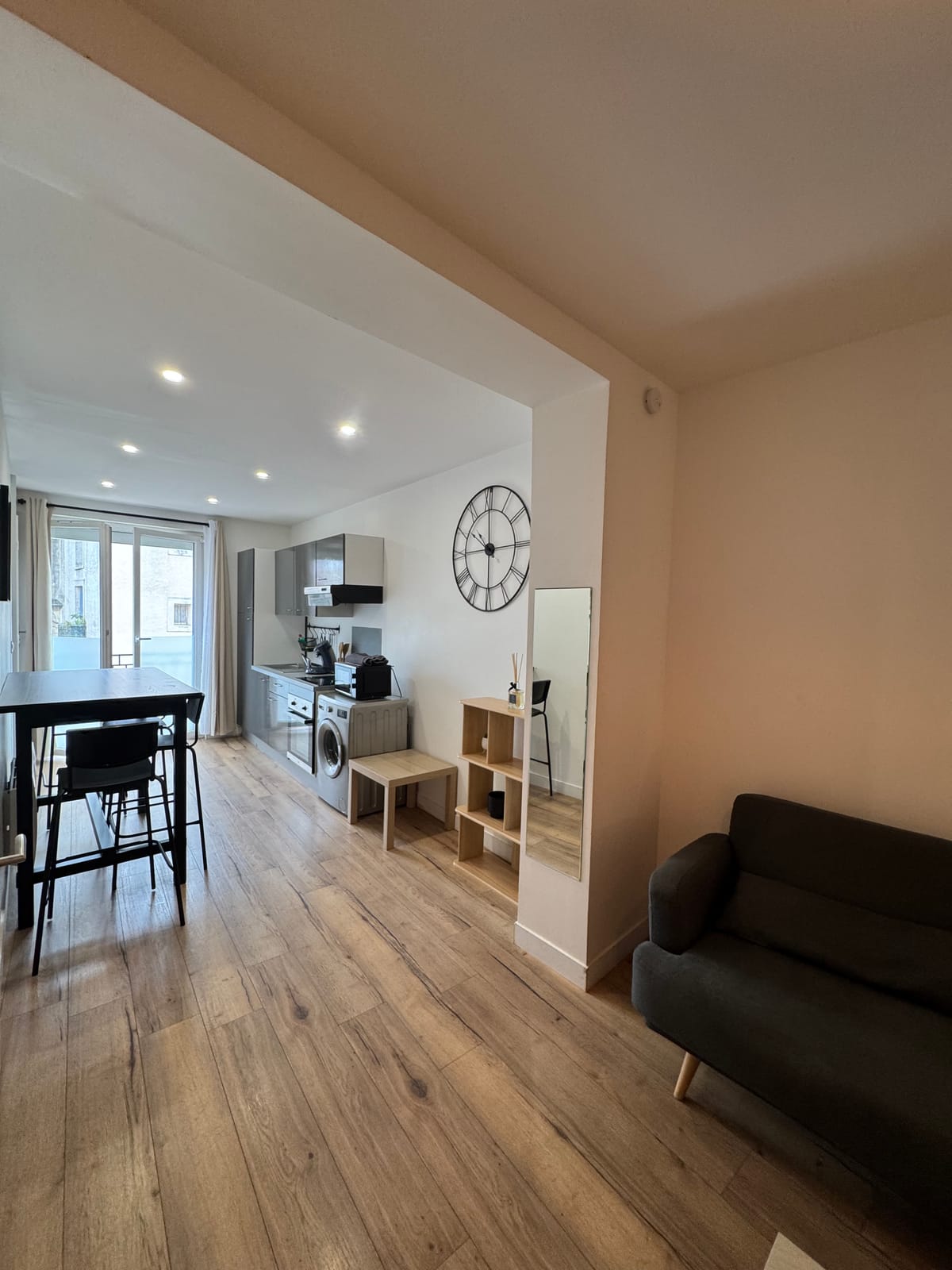
The studio suitable for a couple attracted by the calm of the golden pond, with its kitchen equipped to prepare a picnic before a nature outing. The duplex, with its two bedrooms, is better suited to a family that extends the stay to Mauguio or Grande-Motte. Both units are at the same address in the centre of Saint-Jean-de-Védas, with free parking at 200 meters and a blue area at 100 meters.
For the continuation of the road to the coast, the page dedicated to Mauguio details access to the canton's capital, before reaching the Grande-Motte and its beaches.