From the fishing village to the beach of Montpellierans
Palavas-les-Flots has 6,133 inhabitants on 9.2 square kilometres, entirely on the coastline of the Gulf of Aigues-Mortes. The municipality only existed since 1850 : the "Balestras Cabanes", a simple fishing hamlet at the mouth of Lez, were then separated from Mauguio, Pérols, Lattes and Villeneuve-lès-Maguelone. Its proximity to Montpellier has, over time, made it the seaside resort of the Héraultese hinterland.
Today it has three faces : fishing port, seaside resort and suburban commune. The dense central core brings together small buildings and villas around the church and pedestrian street. The territory is flat, without relief, and the only silhouette that goes beyond is the former castle of water, converted into a panoramic tower. One moves there on foot or by bike once the car is laid.
Descending to the sea : 14 kilometres from the accommodation
From Saint-Jean-de-Védas, Palavas-les-Flots meets in 16 minutes for 14 kilometers. The centre of the station is connected to the A709 by exit 30 (Montpellier-Sud) and expressway D 986, arranged in 2×2 lanes between Montpellier and the sea. Towards the east, RD 62 runs towards Carnon and La Grande-Motte by bypassing the centre.
Cycling is a real option. Two cycle paths connect Palavas to Montpellier : the oldest passes through the bridge of the Four Winds and runs along the pond of the Arnel, the second takes over the old road of the Greek pond and remains the most frequented, many users using the Velomaggs of the metropolis. Another track follows the old path of the Petit Train between Lattes and Palavas. By public transport, the regional line 631 connects the station to Montpellier.
On the way back, the difference is : instead of looking for a place in a full station, you will find in Saint-Jean-de-Védas a blue area 100 meters from the accommodation and a free parking limit at 200 meters.
Lez, Transcanal and seafront
Lez splits the city in half before pouring into the sea at the grau of Palavàs, where he crosses the Rhône Canal in Sète. To pass from one bank to the other side of the beaches, the Palavasians have the Transcanal, small teleported installed in 1977 by a Dauphinese company. He replaced a trailing ferry that was already crossing in the 1930s. Its suspended seats carry up to 24 passengers at a time and pass in less than 3 minutes. With large influxes, it carries between 500 and 1,000 people a day.
On the beach side, there are two landmarks : Palavas Est and Beach Palace. Between two swims, the Levant Albert Édouard Park, Saint-Pierre Park and the Paul Riquet indoor pool punctuate the promenade in the resort.
For a less built beach, look west. The western part of the coast is the best preserved, and the most preserved area is at the edge of Villeneuve-lès-Maguelone. On this side, the city remains narrow, contained by a military firing range and the research facilities of Ifremer. The sand, of medium particle size, comes mainly from ancient Rhone inputs. Back from this position : the whole municipality is in flood zone, and since 2019 it has been testing prototypes against coastal erosion with the University of Montpellier.
Palavasian ponds : birds, planes and kayaks
The territory of Palavas-les-Flots consists of 53% wetlands and 18% water. The ponds of Arnel in the west and Mejean in the east frame the city. Two Natura 2000 sites cover the Palavasian ponds, and three protected areas, including the Greek pond and the Mejean pond, complement the scheme. An ornithological observatory is set up in front of these environments, and the Prévost pond adds to the water bodies of the municipality.
Aircraft enthusiasts find it an unexpected spectacle : Montpellier-Méditerranée airport, about 6 kilometers away, offers its take-offs and landings on show from the banks of the Méjean pond. To go on the water, Palavas Kayak de Mer is the landmark, and the aquatic space Aqua
Another curiosity : between 2018 and 2019, underwater excavations of the DRASSM found remnants of trees about one kilometre from the shore, between Palavas and Carnon, witnesses of an era, some 8,000 years ago, where the sea was 10 metres below.
Museums and markets for days without beach
The Petit Train de Palavas connected Montpellier to the station from 6 May 1872 to 31 October 1968 : the Museum of the Train maintains its memory. The Albert Dubout Museum, the Jean-Aristide Rudel Heritage Museum and the Mediterranean Lighthouse complete a cultural morning. For the races, several markets are held in the resort : food market, mixed market, large non-food market and craft and local products market.
Studio or duplex for your days at the sea
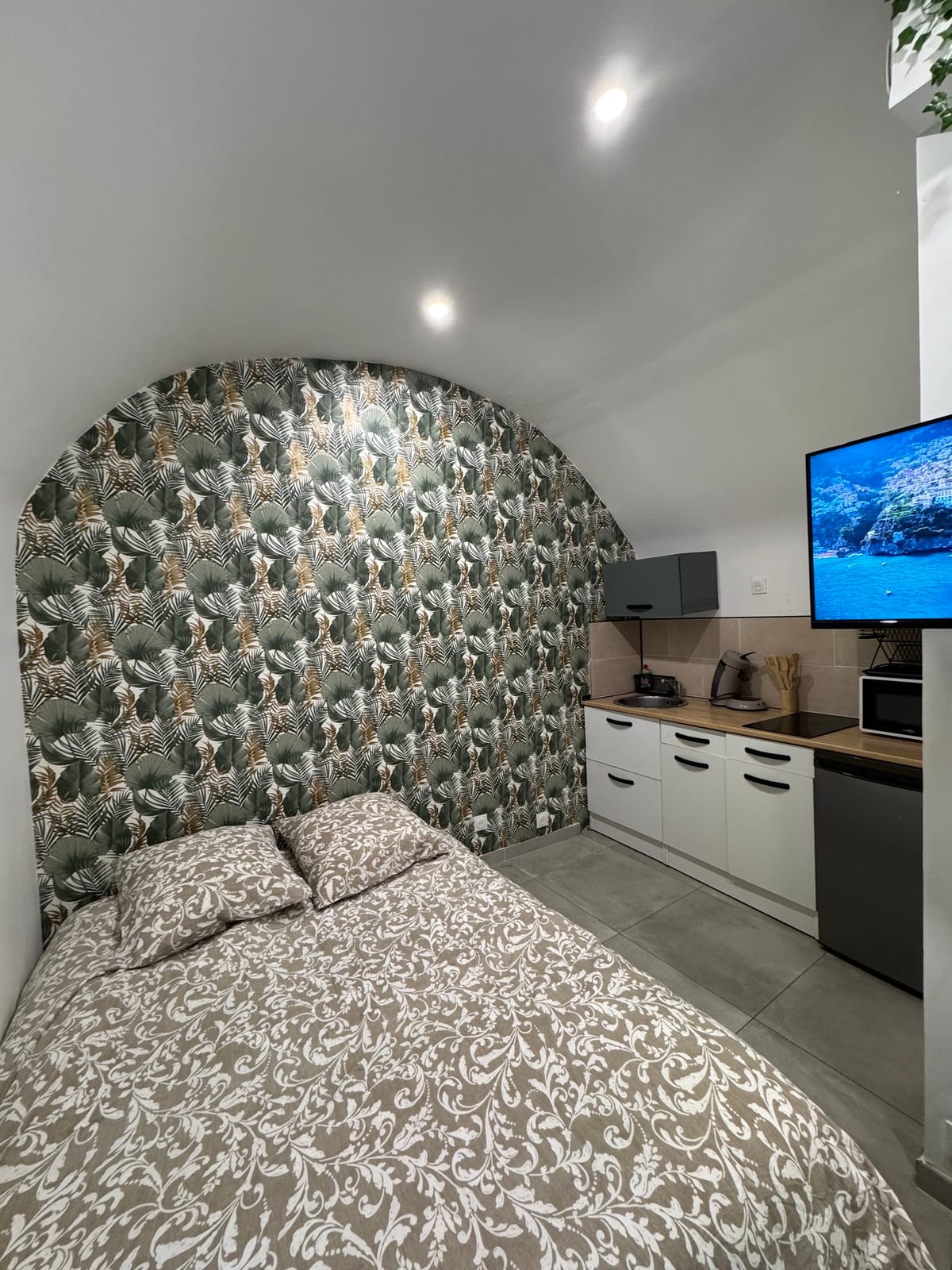
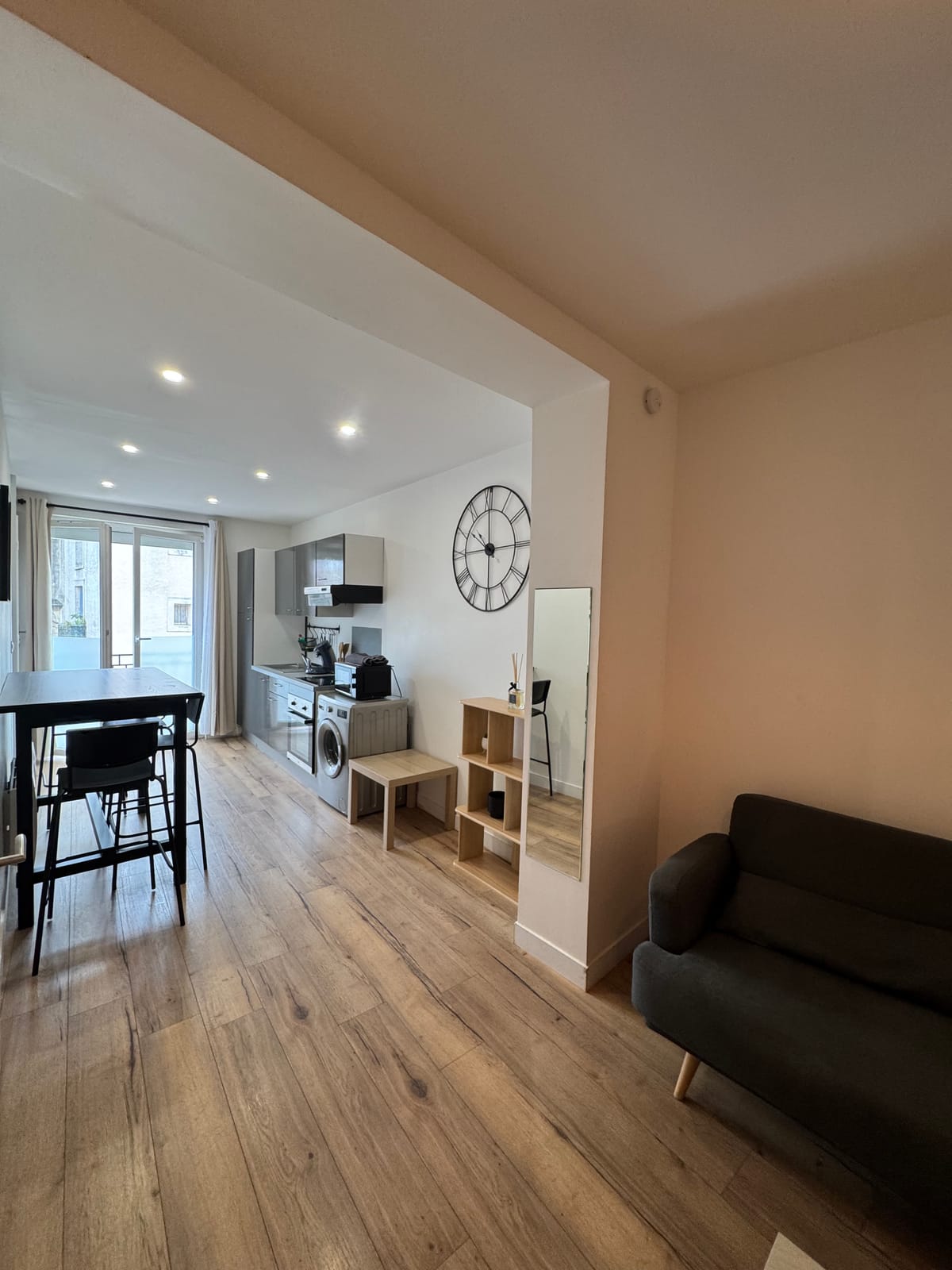
On two, the studio enough for a beach getaway : double bed, equipped kitchen, connected TV and mobile air conditioning for hot parties. Family, the duplex welcomes 4 travelers in 2 bedrooms with 3 beds, and its washing machine settles the question of towels full of sand. Independent arrival from 5pm to 11pm, departure before 11am, only one night allowed.
To expand the coastal exit, the page dedicated to Pérols presents the neighbour of the golden pond, and that of Lattes another municipality bordering the station.