Puéchabon, a village in traffic
Puéchabon has 509 inhabitants and is located between the Parc national des Cevennes and the Parc naturel régional du Haut-Languedoc, in the heart of the garrigue. The medieval village is organized in traffic, with narrow alleys arranged in concentric circles around a fort that has now disappeared, and ramparts that date back to the 12th century. Its altitude ranges from 54 to 483 meters, for an average of 160 meters, at the top of a hill chosen to dominate the surrounding garrigue. The limestone soil, sometimes white, sometimes brown or reddish depending on the presence of humus and clay, gives the landscape its changing hues, a curiosity for which is interested in geology as well as in hiking.
Thirty-five minutes to the gorges of the Hérault
From Saint-Jean-de-Védas, it takes 35 minutes for 40 kilometers, an exit to be planned during the day. It is an assumed choice : Puéchabon has not intended to visit one another in an hour, but serves as a starting point for the gorges of l'Hérault, classified since 1992, and for the paths that radiate towards the causse de Montcalmès and the massif of Roc de la Vigne, not to mention the neighbouring village of Saint-Guilhem-le-Désert.
Bonelli's eagle and an integral biological reserve
The Montpellierian High Warrigues, classified under the Birds Directive, house three pairs of Bonelli eagles, or 30% of the regional population. In the commune, an integral biological reserve of 5 hectares, created in 1998, protects both a nesting area of this raptor and a cavernic biotope where several species of remarkable bats live. The Herault gorges, which have been classified since 1992, conserve forests of Salzmann pines and green oaks with little human transformation, on a calcareous massif that has escaped major infrastructure.
Centennial olive trees and dolmens in the garrigue
Near the church of Saint-Sylvestre-des-Brousses, classified as a historic monument since 1918, old restored olive groves remain; Some strains, found in the garrigue, are centuries old. The territory also has several dolmens, gathered in two main ensembles around Montcalmès and the Liquière, accessible by hiking paths that leave the village, a rare megalithic heritage for a municipality of this size. The commune also produces wines under several appellations, including the Saint-Guilhem-le-Désert. On the wildlife side, Puéchabon is distinguished by the presence of a small endemic mollusk, Henrigirardia wienini, which is not found anywhere else.
One of the first gas lit communes in France
In 1883, under the leadership of his mayor, Puéchabon was equipped with public coal gas lighting, produced by a factory in operation until 1896. It was one of the very first villages in France to benefit from such a system, even before some larger cities in the region. A boiler and a gas meter still bear witness to this unexpected industrial installation in a medieval village, even though maintenance costs and poorly documented pipes ended up condemning the installation.
Studio or duplex, a base for several excursions
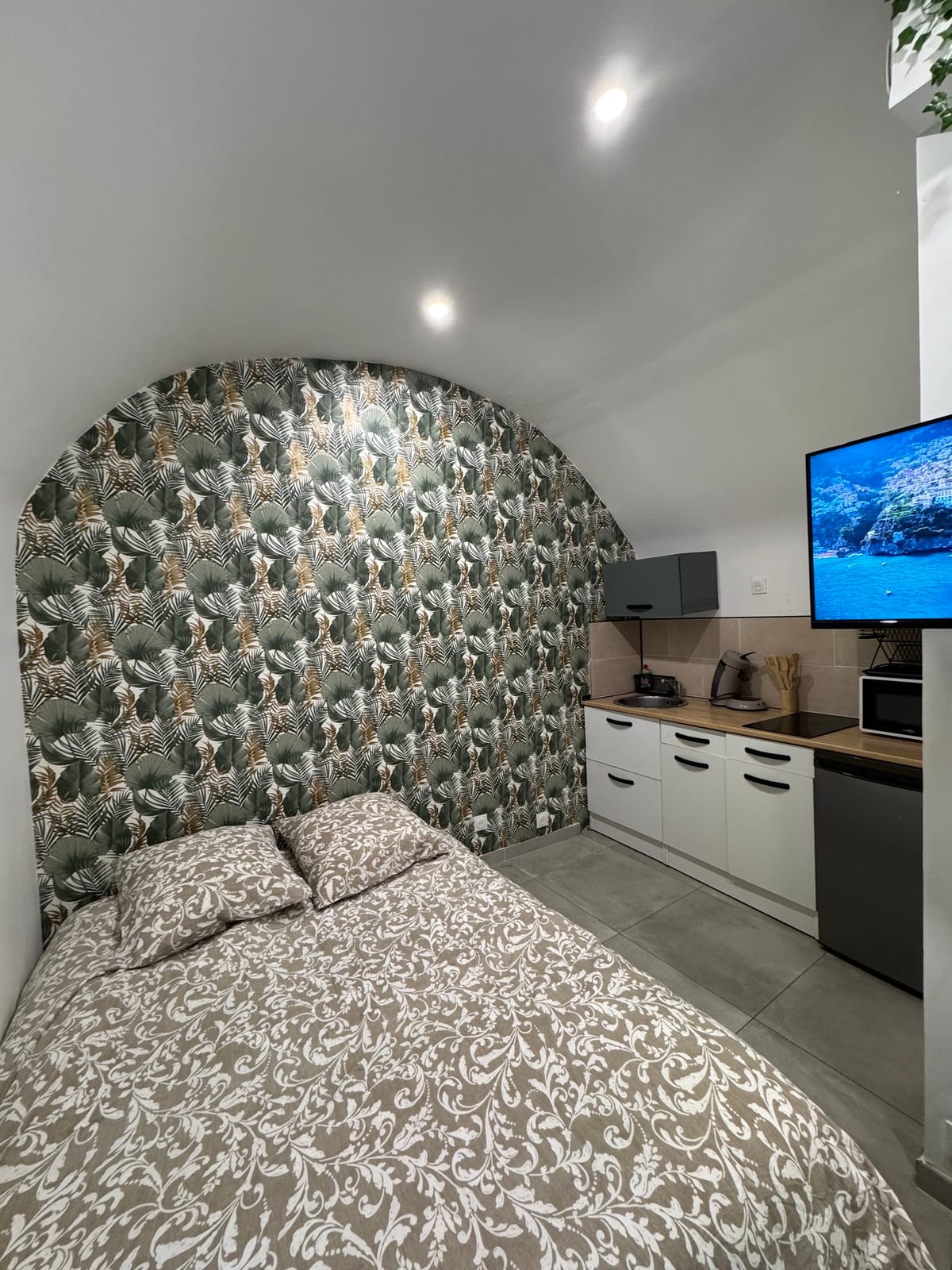
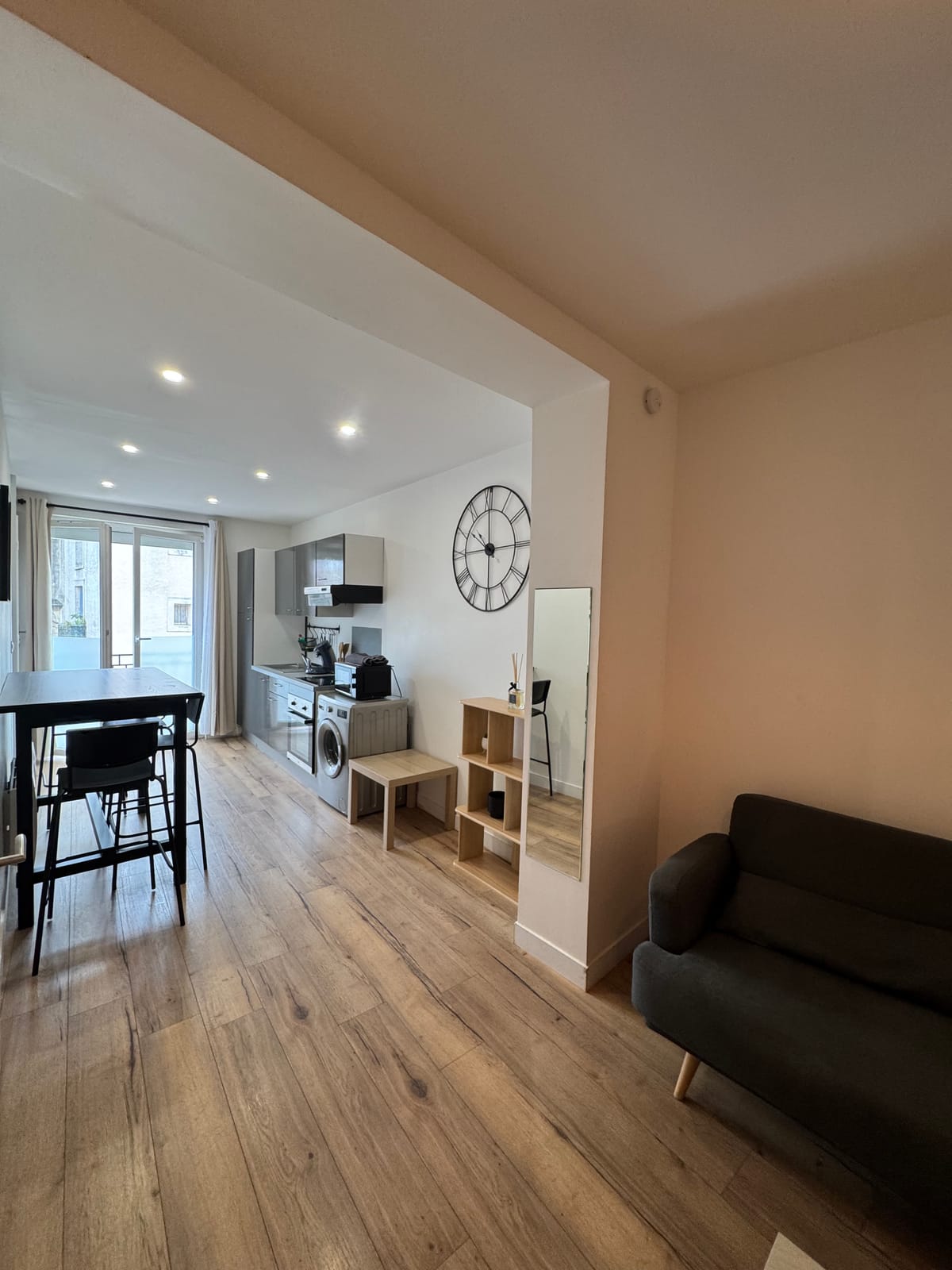
Puéchabon is ill-suited for a long stay on site, due to lack of shops : it is better to make it a stage from a more complete base. The studio suitable for two people who follow the hikes, with its kitchen equipped to prepare the meals of the trail. The duplex, with its two bedrooms and washing machine, is better suited to a group that wants to combine several excursions in the area. Both units are in the city centre of Saint-Jean-de-Védas, with a possible stay for one night and quick access to the A9. The page devoted to Gignac complete this selection towards the Herault Valley.