One of the smallest villages in the area
Viols-en-Laval has only 231 inhabitants on 16.2 square kilometres, right in the heart of the Montpellierian garrigues. There are no permanent watercourses in the municipality, but four natural areas of ecological interest cover a large part of them, including wooded garrigues in the northwest of Montpellierais, on 16,219 hectares shared with 17 other municipalities, and the Pic-Saint-Loup and Hortus area, on 11,816 hectares. The village derives its name from its former separation from Viols-le-Fort : the two communes formed only one village before their division, under the common name of Viols, attested as early as 1109 in the form of Volio.
36 minutes to a Neolithic village
From the accommodation, the road measures 30.9 kilometres and runs in 36 minutes, one of the longest stages in the area, to be reserved for an entire day trip rather than a quick return trip. The territory is occupied since Neolithic, as evidenced by the numerous archaeological sites still visible in the vicinity of the prehistoric village of Cambous : several dolmens and dry stone huts, among the oldest inhabited remains of the region.
Cambous village and its dolmens
The prehistoric village of Cambous, its dolmen, the tombs of Cazarils, the dolmens of Peyres Canes and the tombs of Tromauquies form a dense archaeological complex for such a small town. The castle of Cambous and its lavogne, a point of stone water formerly intended for livestock, then bear witness to a more recent occupation, oriented towards pastoral farming which still characterizes the commune today. Two natural areas of ecological interest complement this heritage : the garrigues of Puech Estrous, on 230 hectares, and the pools of Cazarils and Caunas, on 415 hectares, two areas shared with the neighbouring municipalities.
Twenty-six establishments were registered in Viols-en-Laval at the end of 2019, of which almost a quarter were in the construction sector, the village's first economic activity outside agriculture.
A land of breeding and eagles of Bonelli
The agricultural orientation of Viols-en-Laval remains the breeding of sheep and goats, with only two farms recorded in 2020, compared with three in 1988, on a used agricultural area of 1,498 hectares. The Natura 2000 site of the Montpelliérais High Garrigues, on 45,444 hectares, which covers the commune, houses three pairs of Bonelli Eagles, or about 30% of the regional population of this threatened species : a pastoral territory that remains sufficiently open for this demanding raptor, where grazing limits the mud which elsewhere closes the garrigue.
For whom this base makes sense
- A passion for prehistory The village of Cambous, with its dolmens and dry stone huts, is visited in half a day from the accommodation.
- An authentic garrigue craving Viols-en-Laval remains one of the least populated municipalities in the area, far from the bustle of Montpellier.
- An interest in pastoral farming : herds of sheep and goats still maintain the open landscape that benefits the eagles of Bonelli.
Studio or duplex for a garrigue and prehistory exit
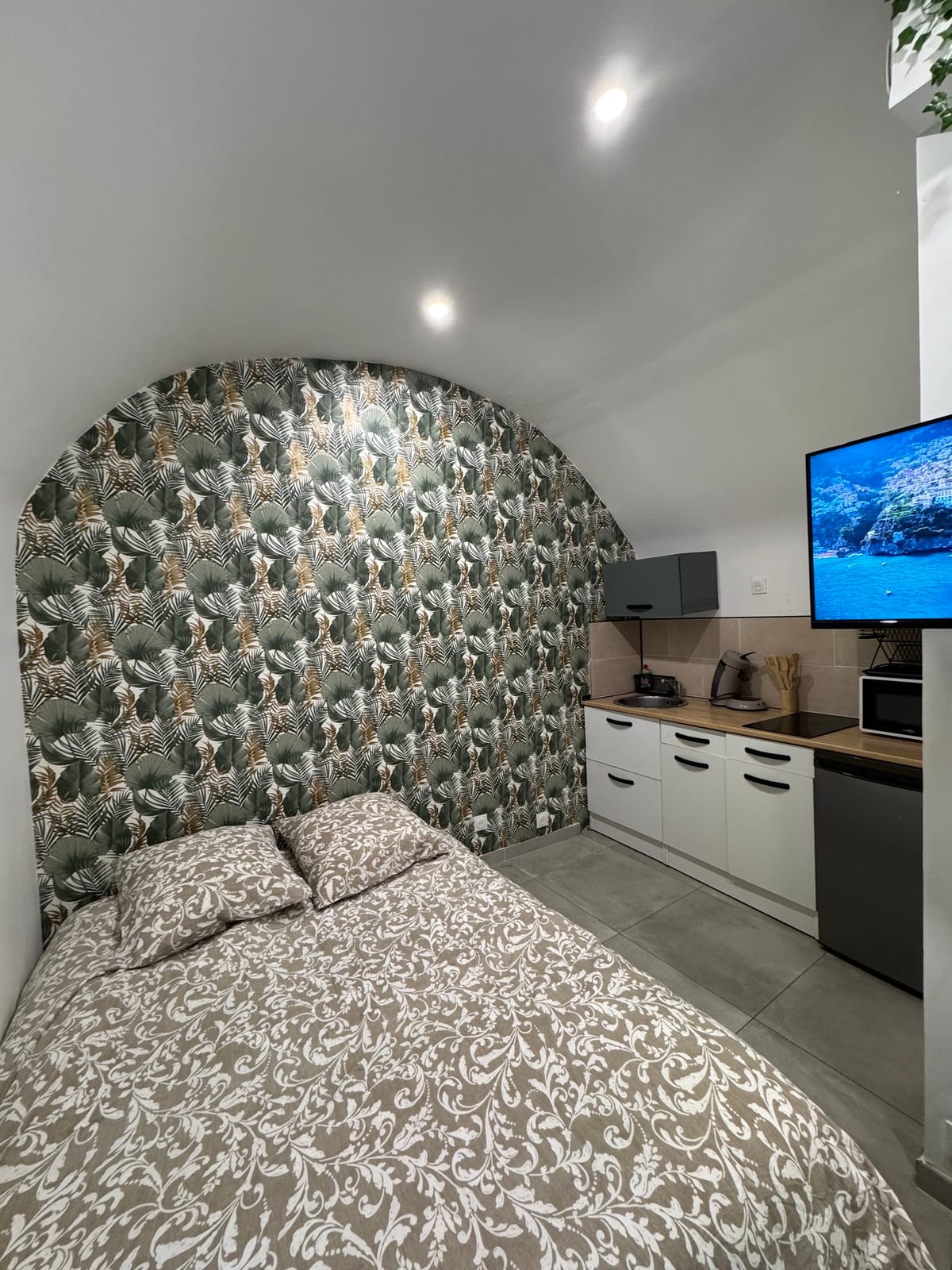
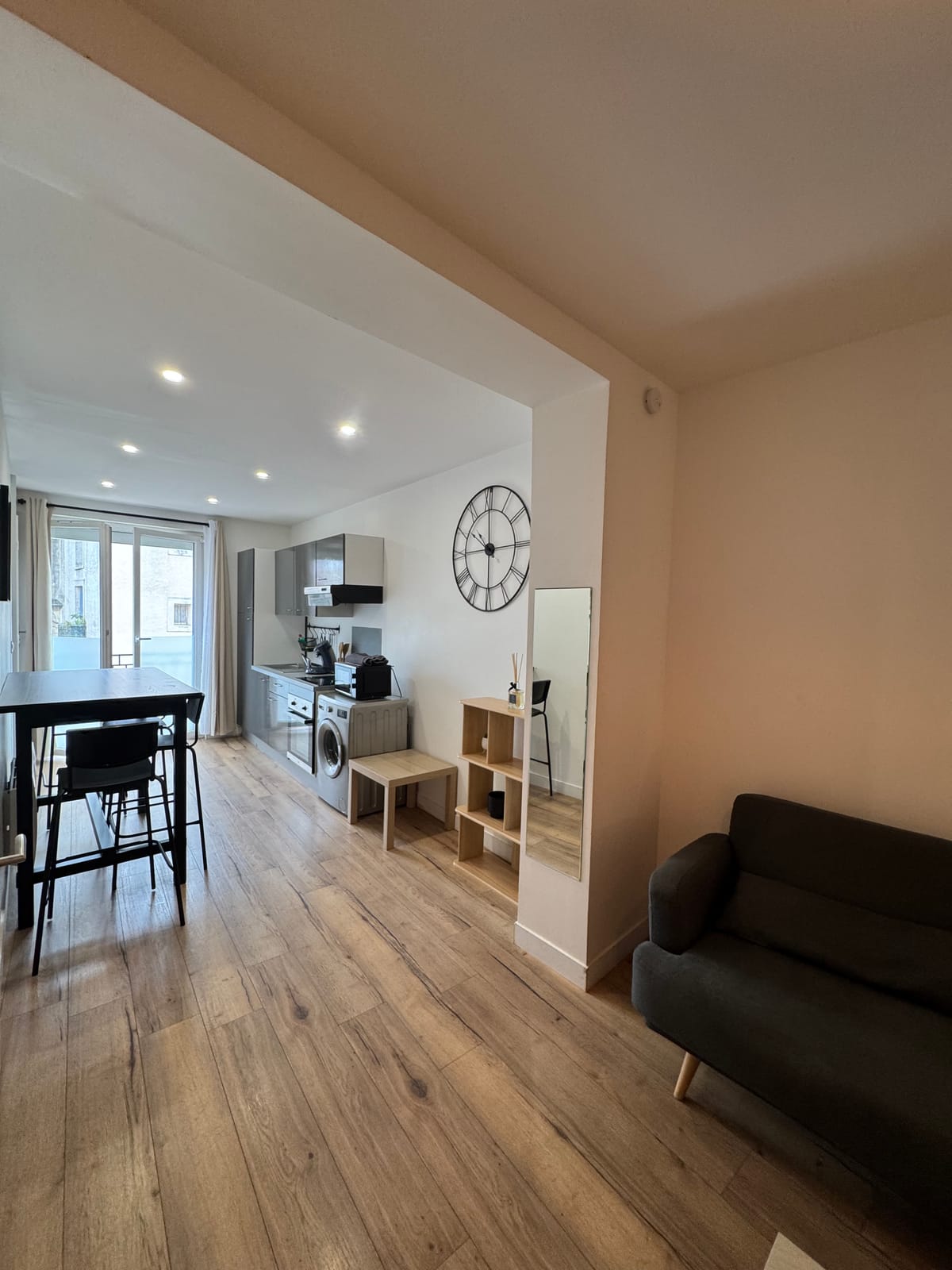
For a day two between Cambous and the garrigue, the studio offers the essentials : a double bed, an equipped kitchen and a work area to prepare the itinerary. Several, the duplex allows to spread this exit on a longer stay, between garrigue and center of Montpellier. Both units are located in downtown Saint-Jean-de-Védas, with quick access to A709 to start the road north of the department.
The page devoted to Materials details another stage of the Pic Saint-Loup, on the road leading to Viols-en-Laval from Saint-Jean-de-Védas.