The seaside resort born of a swamp
La Grande-Motte has 8,440 inhabitants over 13.7 square kilometres, between the golden pond and the pond of the Ponant, on the edge of the Gulf of Aigues-Mortes. Until the 1960s, the site was only a wine farm isolated from a swamp unsuitable for urbanization. From 1965, the "Racine mission" created a seaside resort and a marina, now bordering Aigues-Mortes and Grau-du-Roi, at the gates of the Petite Camargue. The resort hosts about 120,000 tourists a year.
From the accommodation, 27 minutes to the sea
The journey to La Grande-Motte is 29.3 kilometres and about 27 minutes by car. Two 20-kilometre rapid lanes each connect the station to the A9 motorway, passing through Montpellier, Lunel or Nîmes according to the route. For those who prefer to leave the car, the 606 bus line serves Aigues-Mortes from Montpellier-Sud-de-France station, and the 132 line joins Nîmes via Le Grau-du-Roi.
The pyramids of Jean Balladur
The architect Jean Balladur broke with the codes of the traditional seaside resorts : no great hotel or casino for easy clientele, but pyramid-shaped buildings, inspired by pre-Columbian pyramids and modern Brazilian architecture, offering each floor a balcony and a different view. This architectural homogeneity earned the municipality the label "Heritage of the twentieth century", awarded on 19 January 2010 by the Ministry of Culture.
Beaches, marinas and green roads
La Grande-Motte line three hectares of beaches, including Grand Travers, the wildest, protected by the Conservatoire du Littoral, the Couchant beach near the port and the Point Zero beach along the promenade of the seafront. Nearly 7 kilometres of green lane, open to pedestrians and cyclists since September 2004, along the coast between the various areas of the station. The marina, dug from 1966, remains at the heart of the city's identity.
Grand Travers signal tower, the oldest vestige
Before the pyramids, only one building occupied the site : the signal tower of the Grand Travers, an old watchtower built in 1743 by military engineer Jacques Philippe Mareschal by order of Louis XV, to protect the coast during the Austrian Succession War. Registered as historical monuments since 1996, it is located near the beach of the same name, away from the bustle of the city centre.
Casino and figures of a tourism economy
The economy of La Grande-Motte reflects its tourism vocation : 1,693 establishments were registered as at 31 December 2019, of which 686, or 40.5% of the total, in trade, transport and accommodation, compared to 28% in the department. The Pasino, which replaced the former seafront casino since September 2012, contributed 12% of the municipal budget in 2018, with 204 slot machines. For the care, the mutual clinic Jean Léon and a thalassotherapy institute complete the offer of the resort, next to its 14 private beaches.
Studio or duplex for a day at the sea
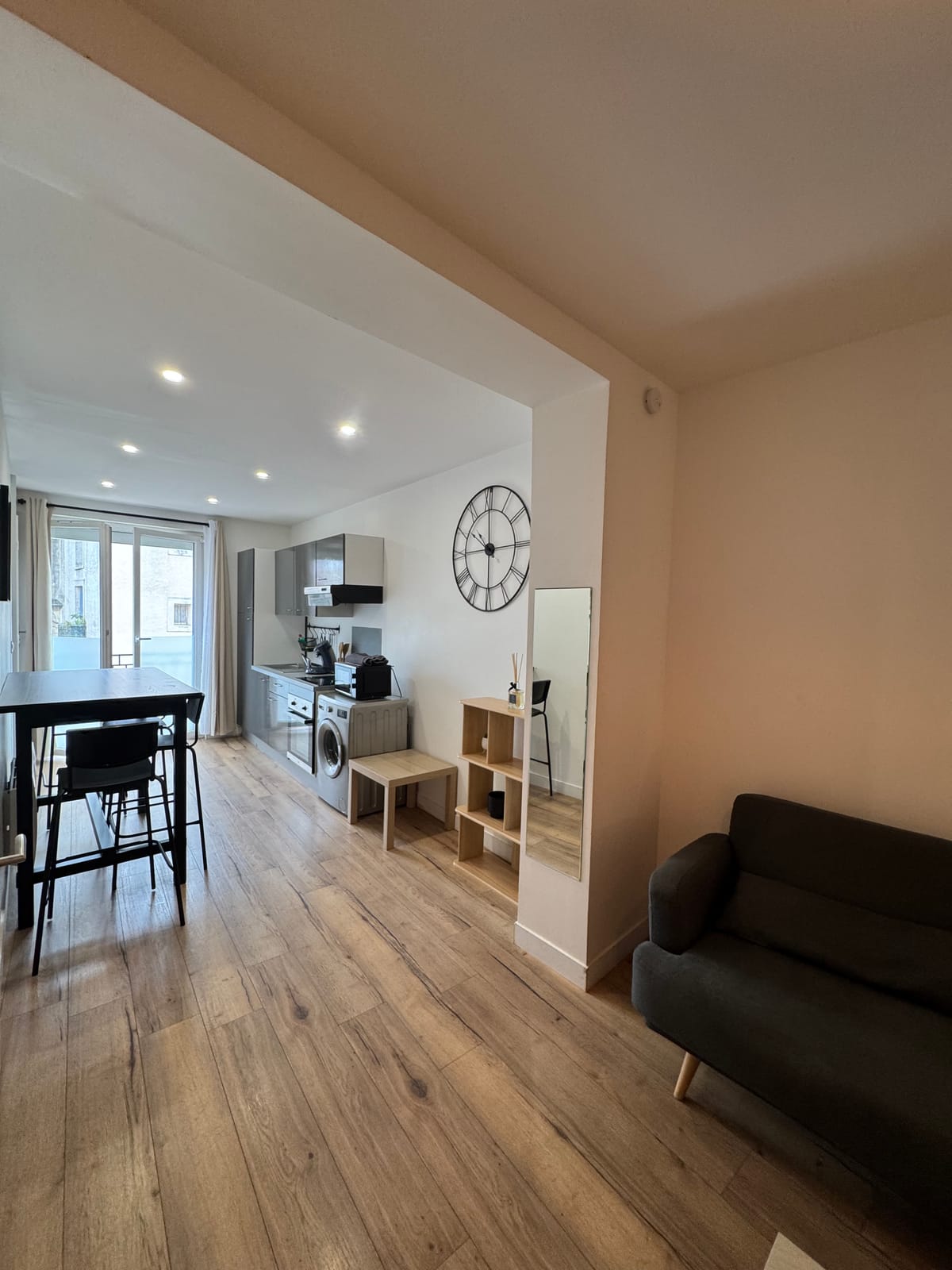
For a family coming to spend the day at the beach, the duplex makes it possible to rinse the bath with the washing machine and prepare a simple meal in the equipped kitchen before returning to the road. On two, the studio enough for a day trip, with a quiet return to Saint-Jean-de-Védas in the evening, away from the summer abundance of the coast.
To continue towards the shore and the golden pond, the pages dedicated to Mauguio and Pérols detail the neighbouring communes of La Grande-Motte.