A village born of a monastery of nuns
Saint-Geniès-des-Mourgues has 2,148 inhabitants in 10.9 square kilometres, one of the most densely populated municipalities in the area despite its rural character. The village is 16 kilometres north-east of Montpellier and 15 kilometres from the Mediterranean as a bird, facing the golden pond. The origin of the village dates back to 1019, with the foundation of a Benedictine abbey dedicated to Saint Geniès. "Mourgues" means "nuns" in Occitan : the houses developed around this monastery from the 13th century, before its attachment to Maguelone Abbey in 1236. In 1200, the Abbess even obtained from the Count of Toulouse the right of suzerainety over the inhabitants of the village.
Twenty-seven minutes, on the old wine road
From the accommodation, the road measures 28.3 kilometres and runs in 27 minutes. The town is crossed by the historic railway line from Montpellier to Nîmes via Sommières, inaugurated on October 30, 1882, which was used to transport wine to Beaucaire, Marseille and Burgundy, before closing to passenger traffic in 1970 and freight in 1971. The founding monastery of the village experienced a turbulent past : damaged in 1622 by Protestant troops of the Duke of Rohan, it was restored from 1636 on the order of King Louis XIII, with the installation of a first bell in 1649 and the completion of the works in 1677. In 1736 he obtained the rank of abbey, before being sold as a national good at the Revolution.
The abbey church and its 19th century bell tower
The castle and church, ancient abbey, date from the 11th century and form the heart of the historical center, established on a hill. The Romanesque abbey church of Saint-Geniès was restored in the seventeenth century, with the exception of its bell tower, rebuilt in 1841 and surmounted by an iron campanile culminating at about 25 meters, equipped with a clock and a large bell. Around them, stone-cut houses of local quarries, called Castries Stone, testify to the village's past prosperity.
A Living Camargue Tradition
At the end of August, the votive festival of Saint Louis continues a Tauromachi tradition rooted in the village, which is also linked to the Camargue imagination that characterizes the entire plain : Camargua races, aprivados and bandidos animate the local arenas, open to all. The wine route of the Montpellier agglomeration also crosses the commune, with a wine tasting cellar for wine growers in a territory long organized around viticulture, quarries and cattle breeding.
For whom this base makes sense
- A curiosity for monastic heritage : The abbey church and its bell tower are visited in a small hour, without detour complicated from the accommodation.
- Interest in the Camargua traditions : the votive party at the end of August brings together races and taurin games open to all.
- A step on the wine route from the agglomeration of Montpellier, with a tasting cellar on site.
Studio or duplex before an exit to the Country of Sommières
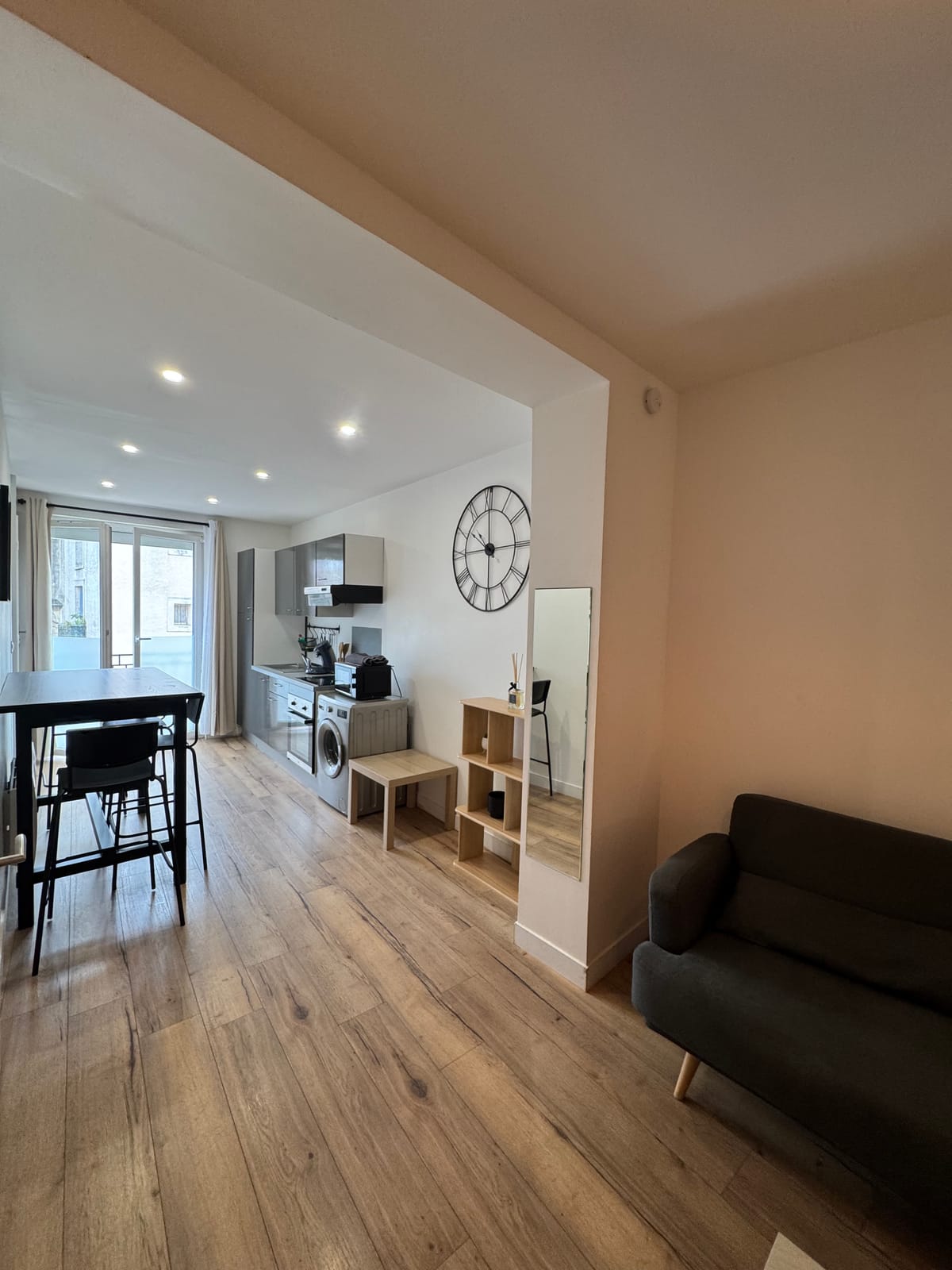
For a two-way trip to this old wine road, the studio offers essentials, with a kitchen equipped for a simple dinner on the way back. Family, the duplex allows you to combine this exit with a longer stay, between wine heritage and the centre of Montpellier. Both units are located in the centre of Saint-Jean-de-Védas, with quick access to the A709 to take the northeast of the department.
The page devoted to Castries details another stage on the road leading from Saint-Jean-de-Védas to Saint-Geniès-des-Mourgues.