Gigean, between wine plain and pond of Thau
Gigean has 6,639 inhabitants in 16.3 square kilometres. The commune is surrounded by the lake of Thau to the west, the massif of the Gardiole to the south, and a vineyard plain that extends to the outskirts of Montpellier. It belongs to the urban unit of Sète and to Sète Agglopole Méditerranée since 31 December 2002 : geographically close to Montpellier, Gigean is already looking towards the Sétoise coast.
The village is crossed by the Vene, in a Mediterranean climate marked by sometimes violent rainfall in autumn. The name of the municipality dates back to a Gallo-Roman domain, attested in ancient forms such as Gigeano from 1095 or castrum de Gigano in 1125, before settling in its present form.
Sixteen minutes by the A9 exchanger
From the accommodation, the road measures 14 kilometers and runs in 16 minutes. Gigean is 18 km from Montpellier and 14 km from Sète, with an exchange of the A9 motorway just 2 km from the village : it is one of the most direct accesses from the area to the pond of Thau, without crossing dense agglomeration.
The abbey Saint-Félix-de-Montceau and the capitelles
Founded in the 10th century, the abbey of Saint-Félix-de-Montceau remains the most important monument of Gigean, alongside the church of Saint-Génies of the 13th century, and an ancient church of the same name. In the massif of the Gardiole, the headlands, these dry stone shelters built by the shepherds and the winemakers, still punctuate the landscape, alongside a menhir, the Planted Stone, and a cave dug in limestone, at the pass of Gigean. The chapel of the White Penitents completes this still dense heritage complex for a commune of this size. Gigean was also for a long time the summer stay of the bishops of Montpellier.
A vineyard plain for rare birds
The plain of Fabrègues-Poussan, classified Natura 2000 on the territory of Gigean, mixes vineyards, orchards and arable land on a large part of its cover. This mixture of crops, hedges and small woods is home to one of the last Languedocian populations of the pink-breasted shrike, as well as the Europe Roller and the Black-bred shrike, two species that have become rare elsewhere in France. An ordinary agricultural land, apparently, but valuable to these birds of high heritage value.
Agriculture remains present in the commune, oriented towards viticulture : 612 establishments were registered at the end of 2019, of which almost a third were in trade, transport, accommodation and catering. Nevertheless, the number of wine holdings fell considerably from 170 in the 1988 census to 23 in 2020.
For whom this base makes sense
- A stage before Sète and the pond of Thau The nearby A9 interchange simplifies the journey, without giving up the centrality of Saint-Jean-de-Védas for the rest of the stay.
- A short heritage exit The abbey Saint-Félix and the capitels are visited in half a day.
- An interest in ordinary nature The Gigean wine plain is worth a visit for its birds, far from the most frequented trails.
- Quick access to Sète thanks to exchanger A9, for those who want to keep their accommodation in Saint-Jean-de-Védas while exploring the pond of Thau over several days.
Studio or duplex for a stage to the pond of Thuu
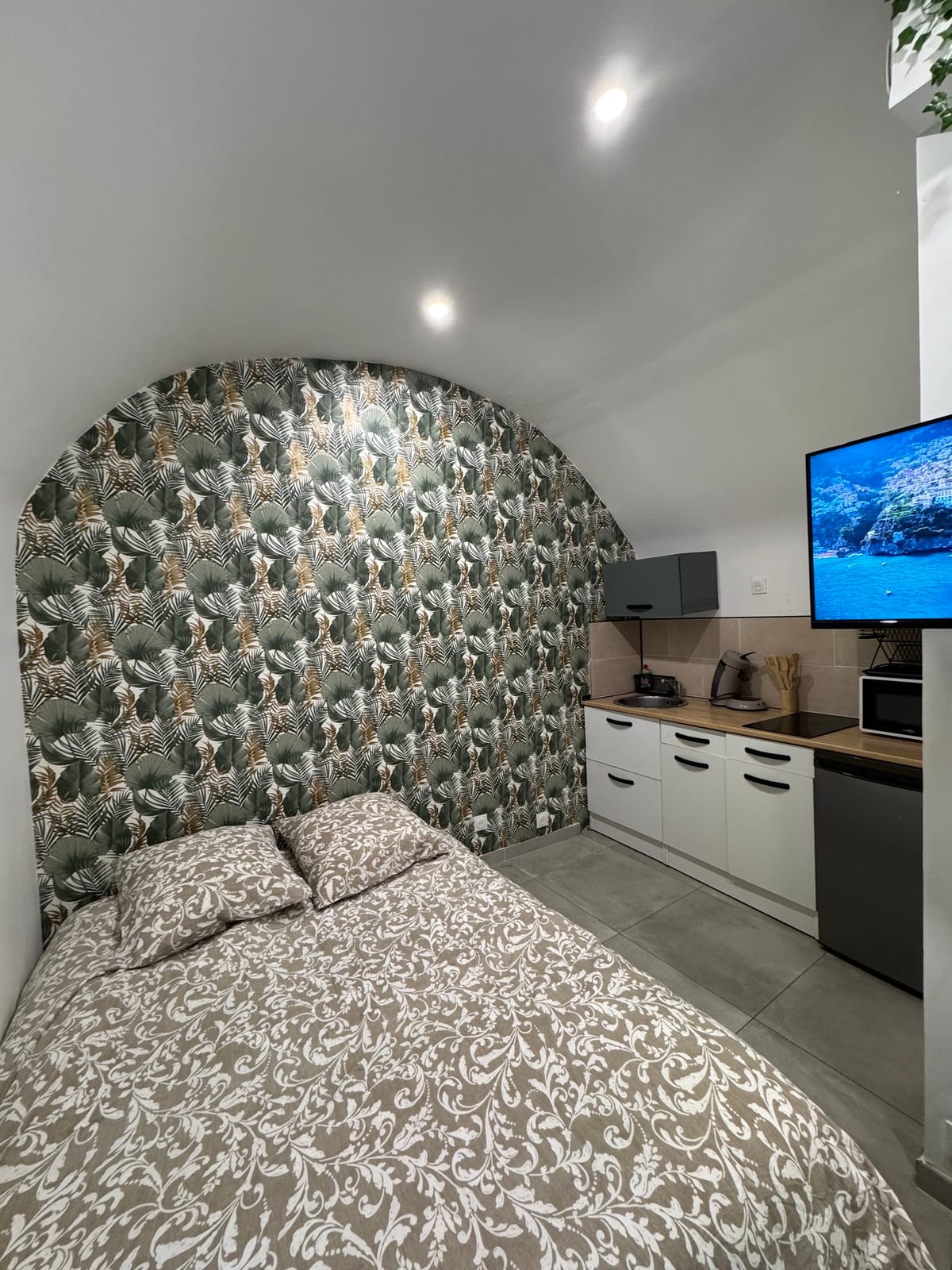
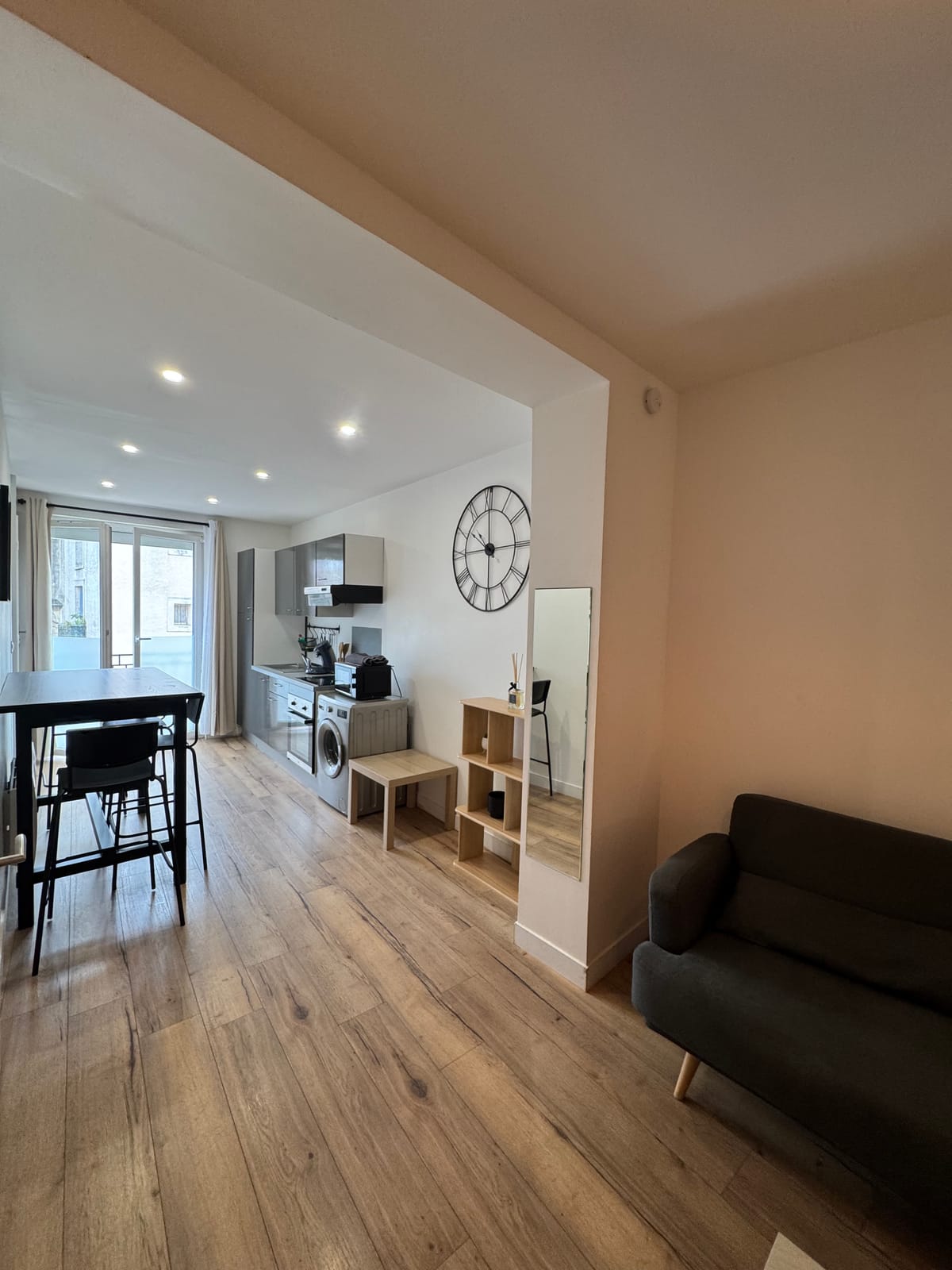
For a two-way stop before continuing to Sète, the studio offers an equipped kitchen and a practical work space between two stages. Family, the duplex allows to distribute the stay between Gigean, Montpellier and the coast of Sétoise without changing base. Both units are located in downtown Saint-Jean-de-Védas, with quick access to A9 and A709.
The page devoted to Vic-la-Gardiole details another village near the pond of Thau.