A stop on Via Domitia
Montbazin has 2,877 inhabitants over 21.5 square kilometres in the Sète agglomeration. The village is built on the route of Via Domitia, the Roman way created around 120 B.C.E., at the location of the former stop of Forum Domitii, between Sextantio (now Castelnau-le-Lez) and Cessero (Saint Thibery). Montbazin is 20 kilometres from Montpellier and 18 kilometres from Sète, almost equal distance from the two cities.
18 minutes, between Montpellier and Sète
From the accommodation, Montbazin joins in 14.4 kilometers, for about 18 minutes of drive, in fluid circulation. The nearest station is Sète, served by the TGV and the regional trains of the TER Occitanie network : to take the train, it is better to plan the journey by car to the station.
Romanesque church Saint Peter, classified since 1964
The Saint Peter's church, built in the 11th and 12th centuries, has been a historic monument since 1964. Former chapel of the castle, it gave access to the feudal building through a passage under the choir, and preserves Gallo-Roman objects. Concerts and exhibitions are held throughout the year. The village also includes the Saint-Jean-Baptiste church and the colonnades of the former castle of the Lord of Lavergne, which became post office.
A village in the Thau basin without coastal agitation
Montbazin belongs to the urban unit of Sète and the community of agglomeration Sète Agglopôle Méditerranée since 2017, but its centre remains an interior village, far from the agitation of the edge of the pond. The Mediterranean garden and the Place du Jeu de Ballon mark the rhythm, closer to Poussan and Gigean than to the seafront. The monument to the dead of the First World War, inaugurated in 1920, is the work of sculptor Eugene Brossou.
A protected plain for rare birds
Two Natura 2000 sites cover the communal territory : the Moure mountain and the causse d'Aumelas, on 10,694 hectares of lawns and pastoral garrigues, and the plain of Fabrègues-Poussan, on 3,288 hectares, favourable to species of birds of high heritage value, such as the pink-breasted pike and the rollier d'Europe. The name of the village is attested as early as 1113, in the forms Monbasen and Monbasenc. In economic terms, 273 establishments are located in Montbazin, of which 71 are in the construction sector. As far as seismic risk is concerned, the municipality is in zone 2, known as very low, like most of its area, unlike the majority of the communes in the agglomeration of Montpellier, classified as zone 1. The village also saw the birth of the poet Pierre-Paul Poulalion on June 29, 1801, and the teacher and politician Eugène Montel on June 5, 1885.
For whom this base makes sense
- A step between Montpellier and Sète : Montbazin visits half way, without diverting from the road.
- A Romanesque church tour Saint-Pierre discovers himself in a small hour, with his occasional concerts.
- A base for the Thau basin : Poussan and Gigean meet from Montbazin in a few minutes by car.
Studio or duplex for this stay
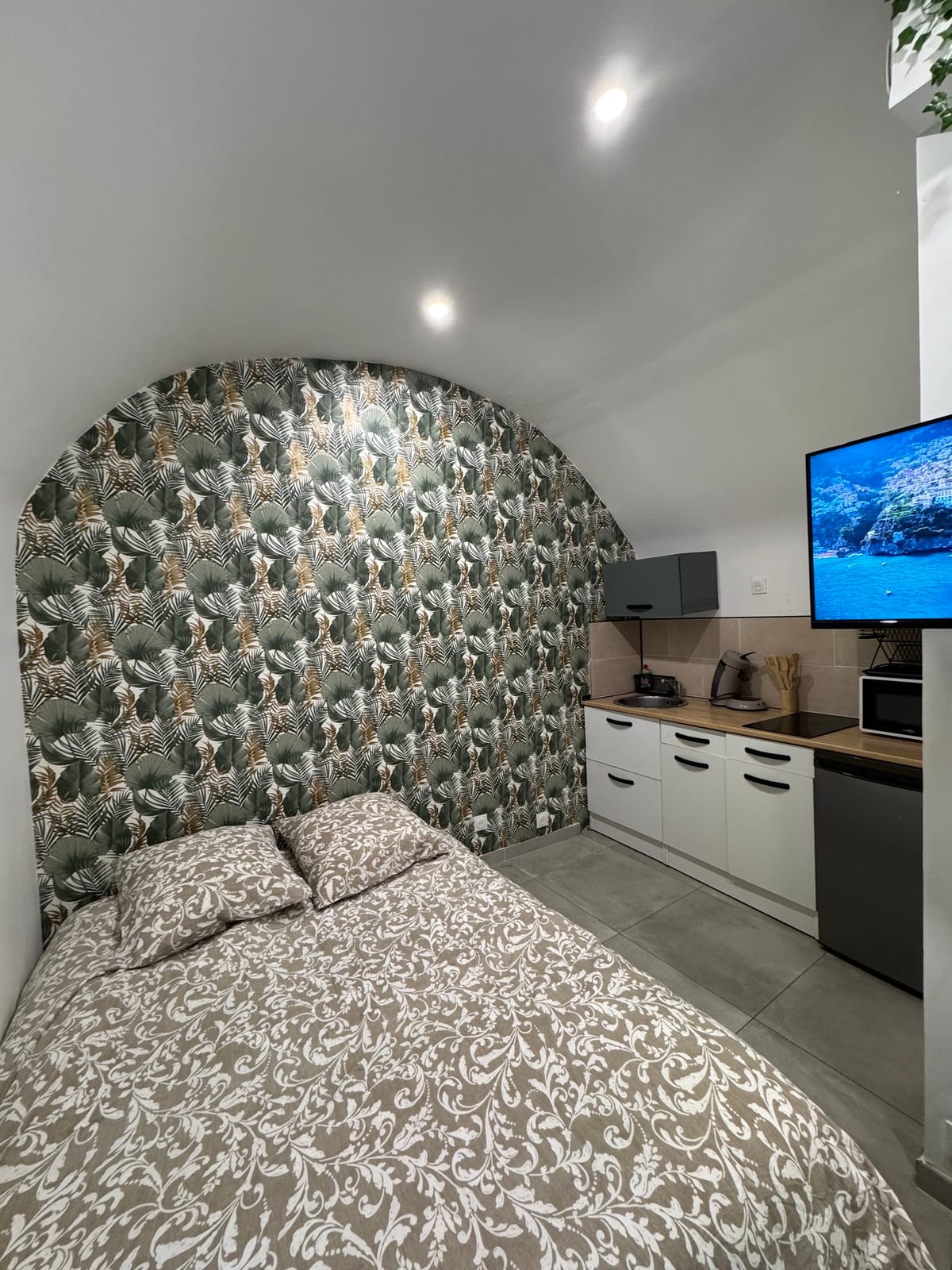
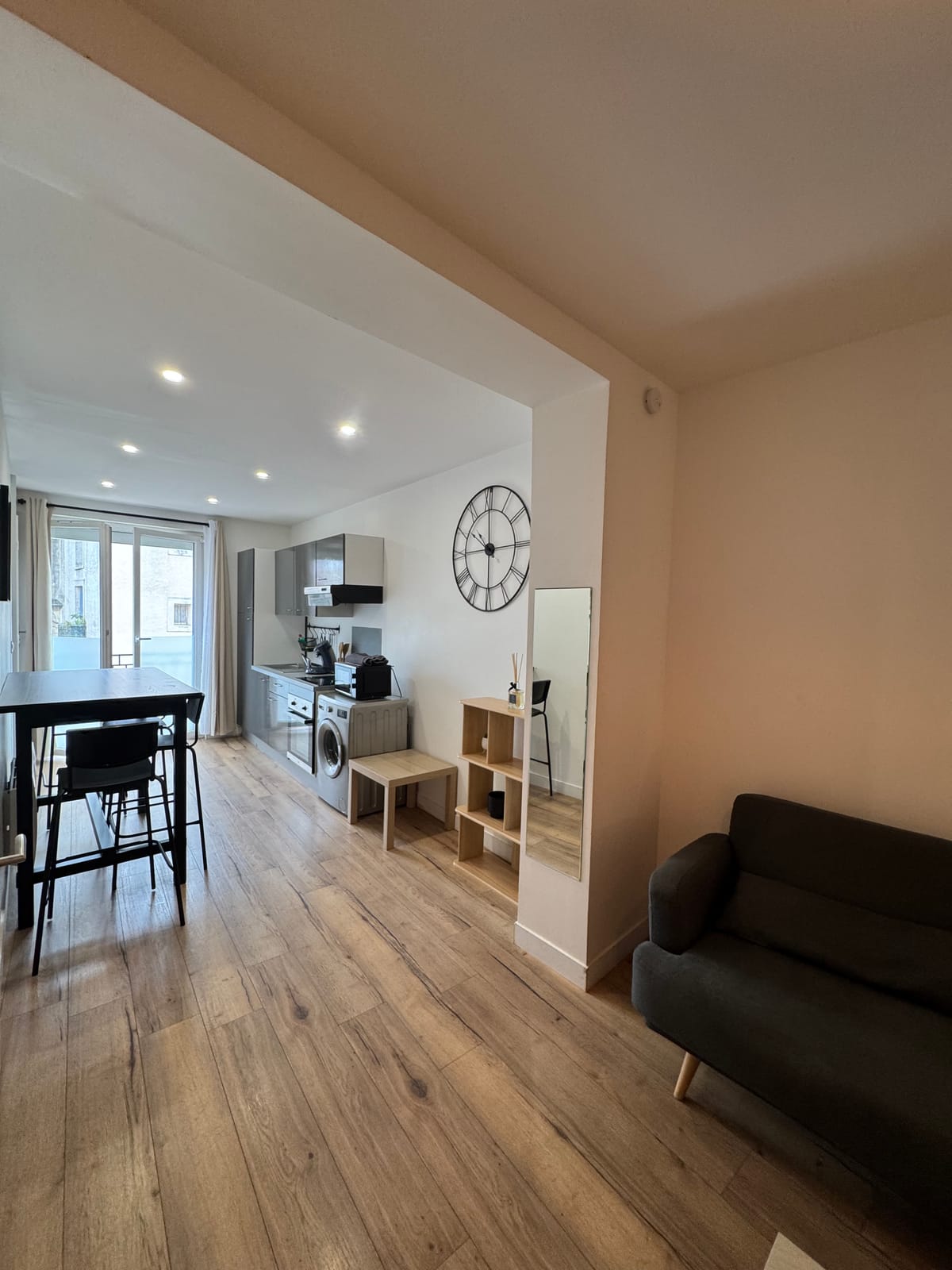
For a short stop between two cities, the studio Enough with its double bed and equipped kitchen. For a stay of several nights to the basin of Thau, the duplex offers a bathroom and a half and a washing machine. Both units are located in downtown Saint-Jean-de-Védas, with a departure before 11am and a possible stay from one night.
To continue to the Thau Basin, the page dedicated to Poussan details access to the pond.