The oldest village in the Lunellois
Lunel-Viel has 4,507 inhabitants on 12.1 square kilometres, 20 km from Montpellier and 30 km from Nîmes. Its building is almost continuous with that of Lunel, in the east, but Lunel-Viel is in fact the oldest village in the area, before Lunel, which ended up taking its name and political preeminence in the 11th century.
From the accommodation, 27 minutes between vine and railway
The journey to Lunel-Viel is 27.2 kilometres and about 27 minutes by car from Saint-Jean-de-Védas. The national road 113 crosses the commune, as well as the railway linking Nîmes to Montpellier, in the middle of wine fields in the north and south.
From Roman baths to Neanderthal caves
The first traces of occupation of the site date back to the 1st century B.C.E., but the most important remains date back to the Roman Empire, with large thermal baths built around 70 C.E., the foundations of which are still found near the nursery school on the rue des Thermes. A second thermal complex and ancient houses also developed around the central crossroads. Even older, the human occupation of the site dates back to 500,000 years, with the caves of the Mas des Caves, where the ancestors of the Neandertal man left one of the most prestigious prehistoric deposits in Europe, searched since 1824.
The castle, its orangery and its piano festival
The castle of Lunel-Viel, the oldest part of which dates from the 12th century, was profoundly transformed in the 19th century by its then owner, the lawyer Paul Manse, who built there a neo-Gothic chapel. Its tower, a sort of neo-medieval dungeon, dominates the village and plain at a height of 30 meters. In the park, an orangery of Napoleon III style was built in 1876, classified as a historic monument in 1990 for its slate cover. Since 2008, it has hosted every last weekend in August the festival "Un piano sous les arbres".
The church of Saint Vincent, the only standing medieval vestige
Built in the 15th century and destroyed several times during the Wars of Religion, the church of Saint Vincent, patron of the village, kept only the bell tower of its medieval building. An iron campanile is home to a bell that was listed as a historic monument in 1738.
Farges Tower and its illustrious hosts
On a hill overlooking the Petite Camargue, surrounded by muscat vines, the estate of the Farges tower has belonged since the late eighteenth century to the Sabatier family. One of Sabatier's brothers, an art lover in the 19th century, received Gustave Courbet, who immortalized the estate in a painting, as well as Karl Marx and historian Jules Michelet. Economically, the municipality had 534 establishments as at 31 December 2019, of which 144, or 27% of the total, were in trade, transport and accommodation. Among the figures related to the village, Antoine Roux, former mayor and Occitan writer died in 1915, and actor and director Georges Rouquier, born in 1909 and died in 1989. The municipality belongs to the canton of Lunel, and the national road 113 continues to play the role that it had already in the Roman era : to connect the Lunel to the rest of the Hérault wine plain.
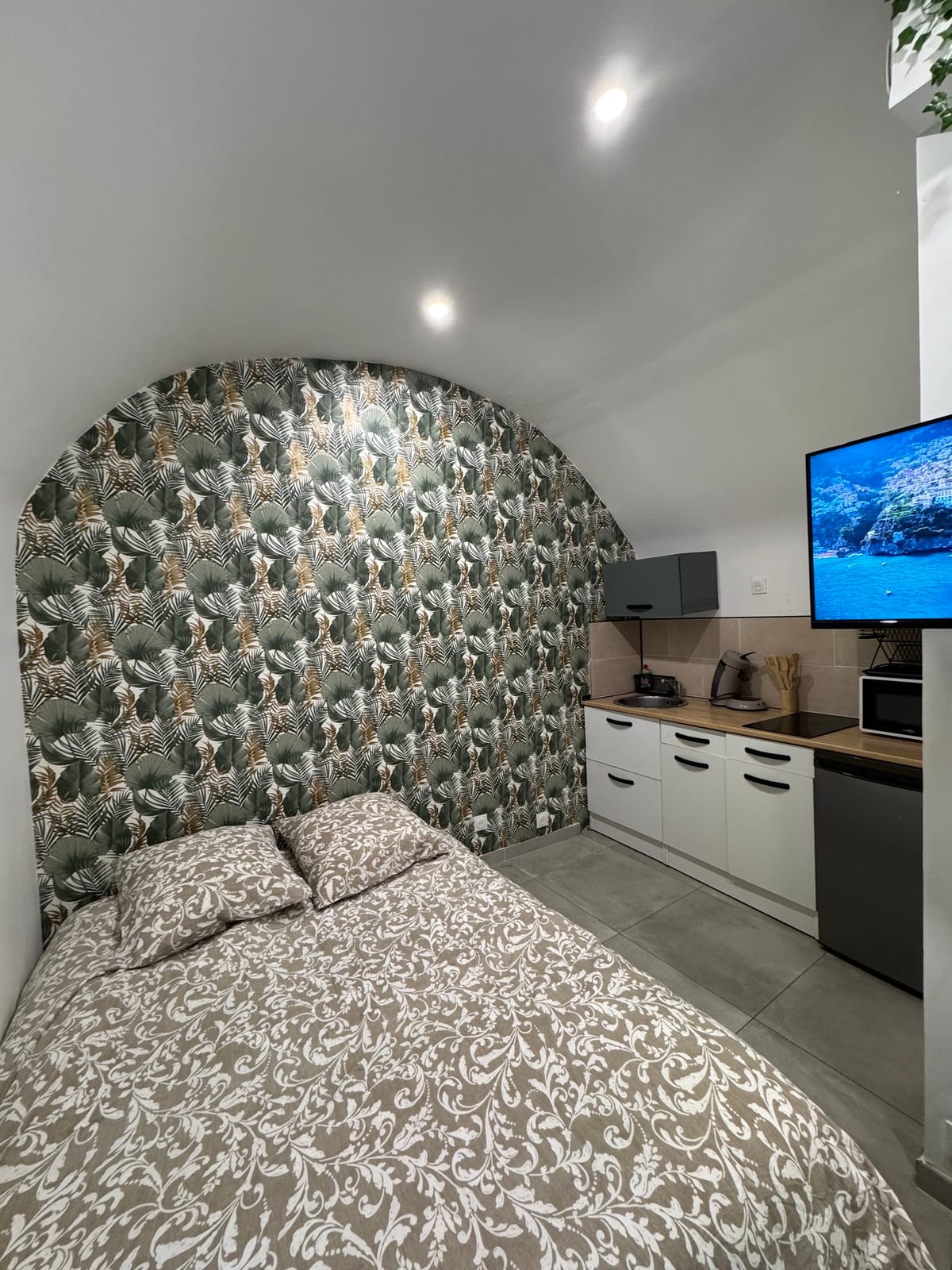
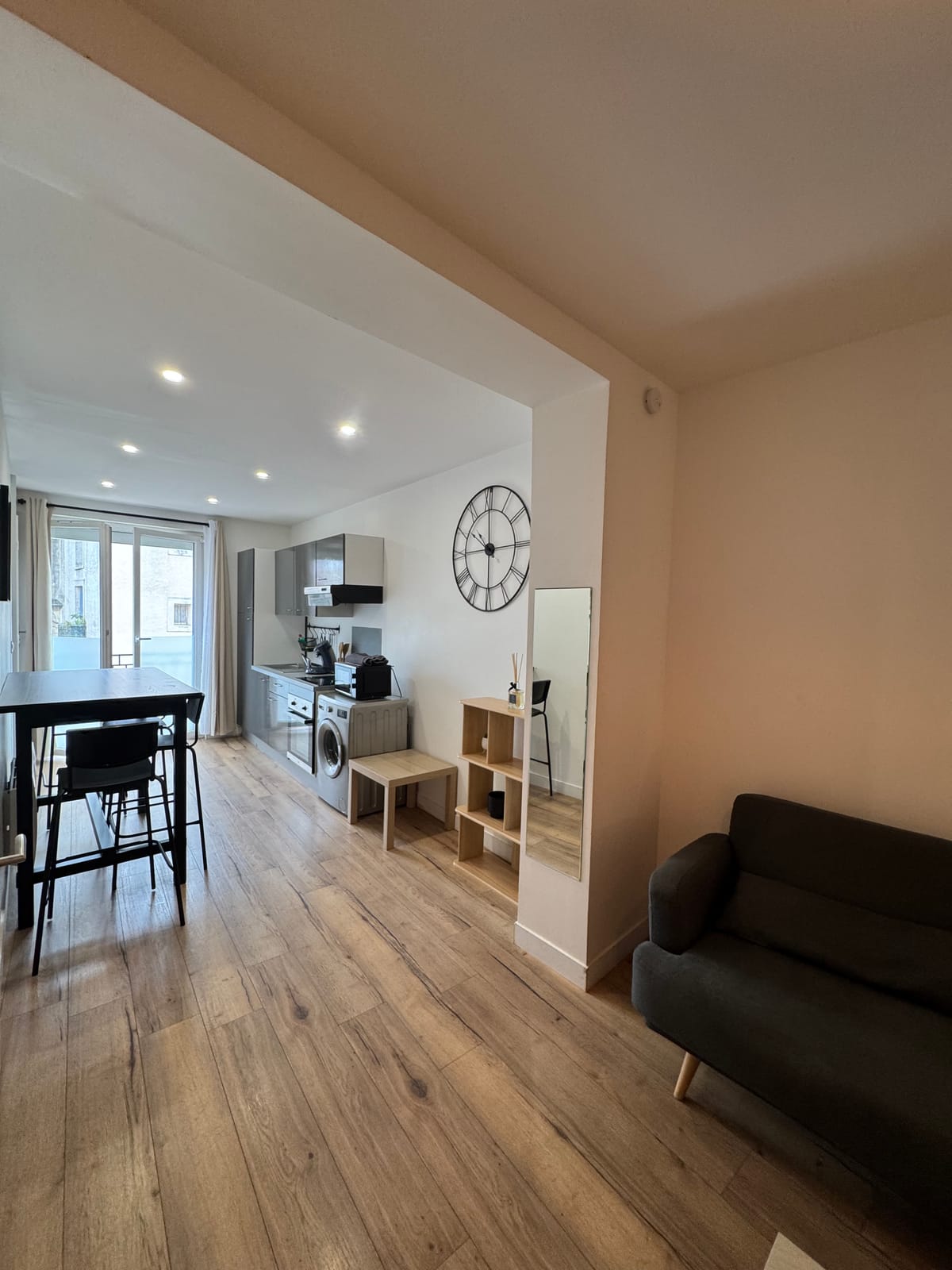
Studio or duplex for a heritage stage
For a visit to the castle and Roman remains, the studio offers a simple base with equipped kitchen for a meal before or after the road. Family, the duplex adds the space necessary to combine Lunel-Viel with a neighbouring village on the same day, without going back through Saint-Jean-de-Védas between the two.
To continue east, the pages dedicated to Saint-Just and Valergues detail the neighbouring municipalities of Lunel-Viel.