Montaud, born from the ruins of Montlaur Castle
Montaud, 16 kilometres from Montpellier, has 1,014 inhabitants on 13 square kilometres, in the heart of the garrigues of the north-east of the Hérault, at the edge of the district of Lodève. Its inhabitants, Montaudois and Montaudois, have seen a sharp increase in their population since 1968. The village dominates the ruins of the castle of Montlaur, built in the 11th century on a strategic position, where was born in 1120 Jean I de Montlaur, future bishop of Maguelone. Assiegé sans succes en 1573, the castle fell in 1622, during the first Huguenote rebellion, after a week of siege led by the Duke of Rohan : the defenders were massacred and the fortifications demolished. Montaud, the present village, was born of this dismantling.
A Royal Reward for the Resistance of 1622
In 1664, after the siege of 1622, Louis XIV added to the coat of arms of the Montlaur family seven fleurs de lys silver, in recognition of the resistance opposed by the castle. The Barony, erected as a marquisat in 1679, remained in the same family until the 20th century, before the estate was finally transmitted by marriage to other lines of the nobility of Languedoc.
Eight neighbouring communes in the garrigues
Montaud touches eight communes : Buzignargues, Castries, Guzargues, Saint-Bauzille-de-Montmel, Saint-Drézéry, Saint-Hilaire-de-Beauvoir, Saint-Jean-de-Cornies and Saint-Mathieu-de-Tréviers. It is a tight mesh of small villages of garrigue, which easily visit one after the other from Montaud, without ever getting far from the starting point.
The Eagles of Bonelli of the High Warrigues
The commune is part of the Natura 2000 site of the "High Garrigues du Montpelliérais", which extends over 45,444 hectares and houses three pairs of Aigles de Bonelli, or 30% of the regional population of this protected raptor. It is a quiet territory, away from the coastline and the main axes, where the alert eye can spot this raptor above the garrigue ridges.
Join Montaud from the accommodation
Montaud is 32.7 km from the accommodation, 32 minutes drive in fluid traffic, crossing the garrigues of north-east Montpellieran, far from the traffic of the center of Montpellier. The construction sector remains the largest employer in the municipality, with 21 of the 71 establishments surveyed, a sign of the recent residential development of a village that has long experienced vegetable and mushrooms cultivation. In the village, the church of the Nativity of Our Lady completes, with the ruins of Montlaur, the religious and feudal heritage of the commune; Two green spaces, the Espace Robert kindergarten and the Aspres garden, offer a break after visiting the castle.
To whom this detour is addressed
- A heritage and history exit The ruins of Montlaur Castle are interesting to the curious local history, starting with the account of the siege of 1622.
- A tour of villages of garrigue : Montaud serves as a starting point to visit several of the eight neighbouring municipalities in one day.
- A discreet nature observation : the high garrigues of Montpellierais are home to protected wildlife, far from the most frequented trails.
Studio or duplex for a stay near Montaud
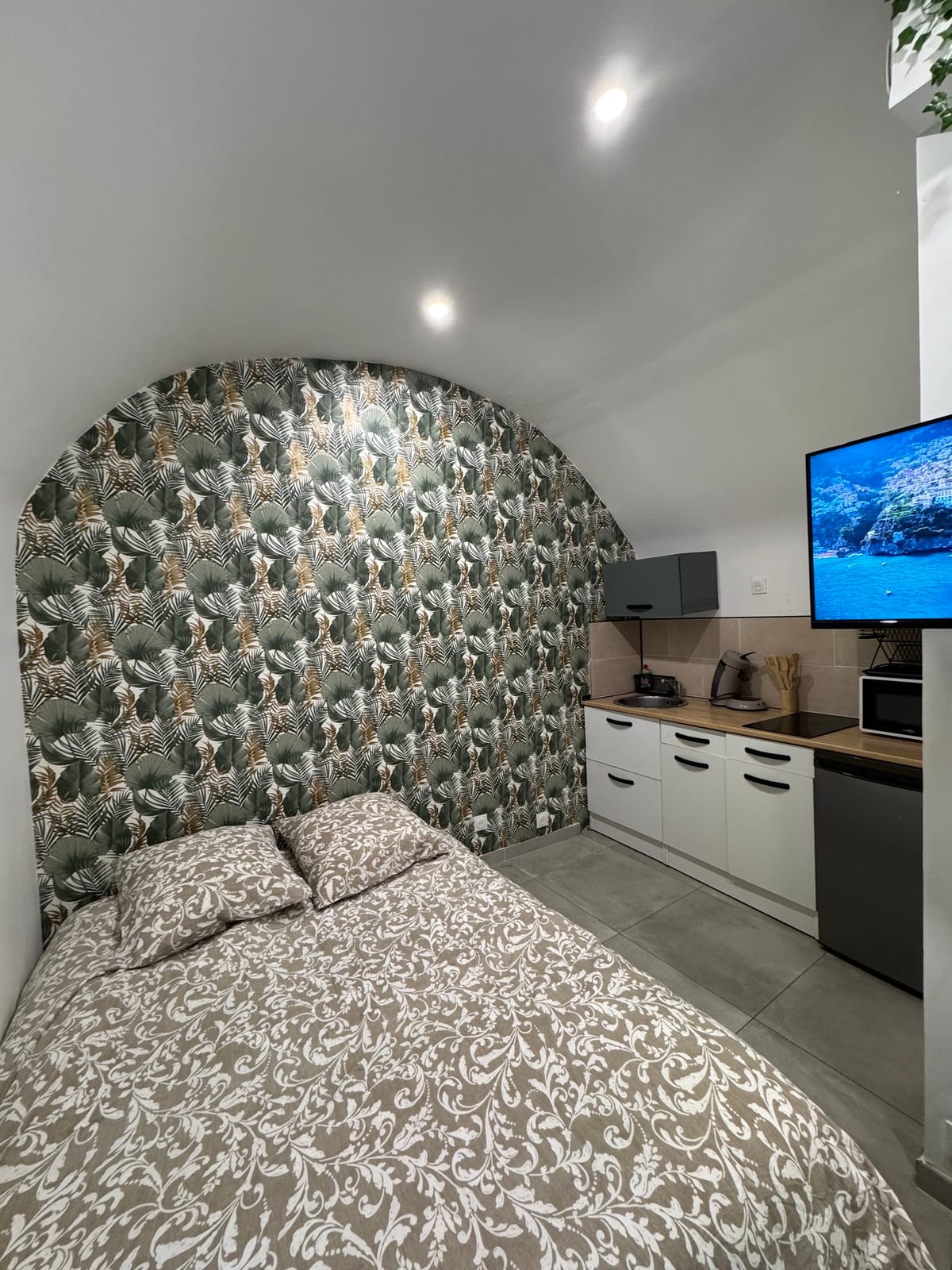
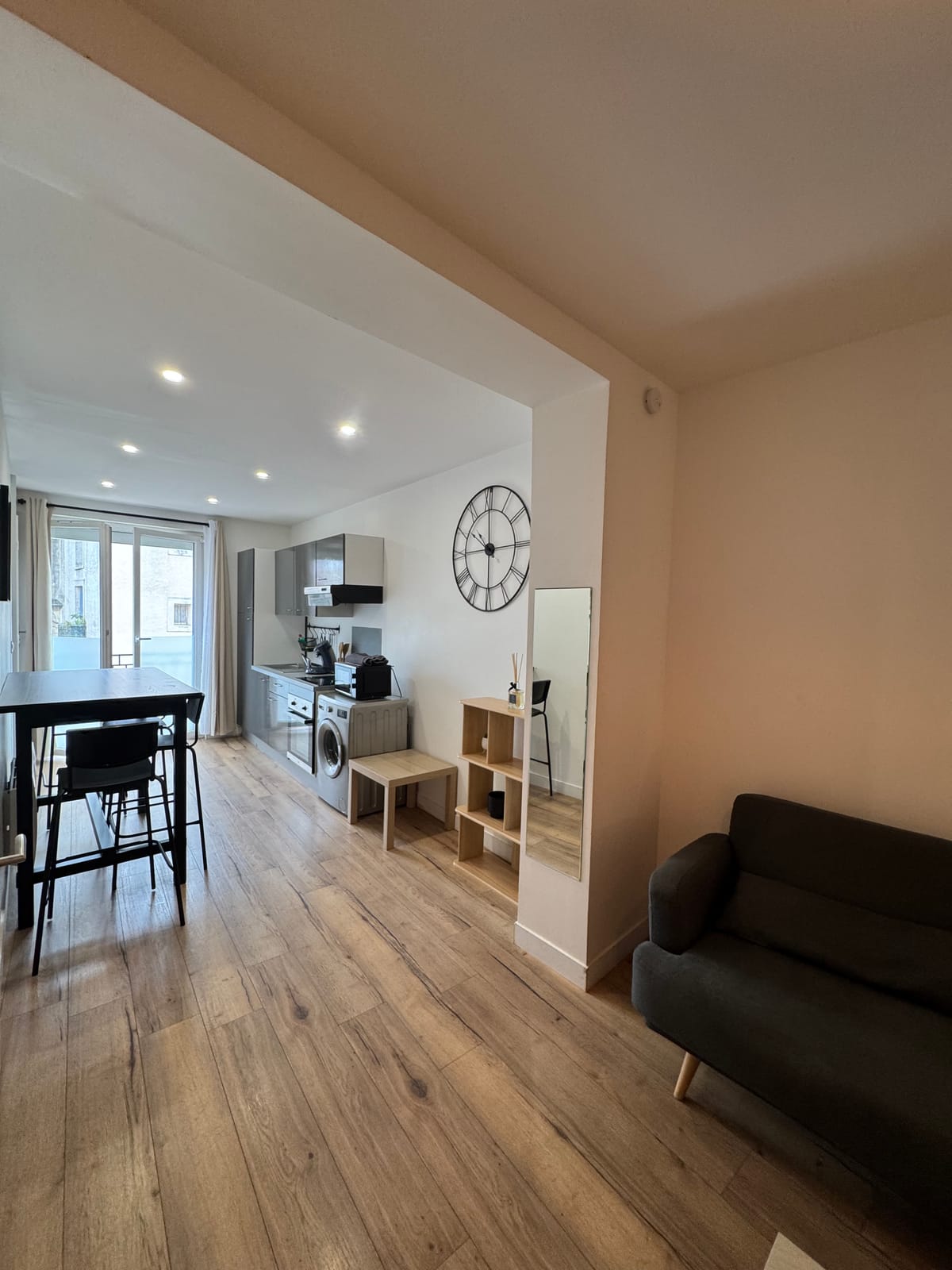
For a curious couple of local history, the studio enough for a day trip to Montaud and its surroundings, with its double bed and kitchen equipped for a simple meal on the way back. The duplex better suited to a family that plans to visit several villages of garrigue over several days. Both units share the same address in downtown Saint-Jean-de-Védas, with a 7 minute walk tram for car-free evenings.
For a neighbouring village of Montaud, the page dedicated to Castries details access to this area of the northeastern Montpellieran garrigues.