An island between the Mediterranean and the pond of Thau
Sète has 45,337 inhabitants, making it the third municipality in the Hérault. The city is enclaved between the sea in the east and the lake of Thau in the west, bordered by Mont Saint-Clair and gridded with canals. Paul Valéry , called "the singular island", is also called "the blue island" or "the Little Venice of the Languedoc".
The territory is divided into four pieces : the pond, the long coastal cordon towards Marseillan, the mountain and its original city around the old port, and the harbour areas of pleasure, travel and commerce in the east. For a visitor, this means that only one day can mix belvedere, fishing docks, museums and beach, provided you choose your order.
Sète is also a crossroads of water. The Canal du Rhône to Sète crosses it, and the pond of Thau connects it to the Canal du Midi by Marseillan : this is where the "Deux-Mers Canal" reaches the Mediterranean. The canals and the marina, visible from the docks, remind that the city was born for the maritime trade before becoming a sought after resort.
To Sète : 26 minutes drive or train
From Saint-Jean-de-Védas, the road is 29.5 kilometres long and takes about 26 minutes. Quick access to A709 and A9 from the city centre of Saint-Jean-de-Védas avoids crossing Montpellier. Upon return, the car will find a blue area 100 meters from the accommodation or free parking without any time limit of 200 meters.
The train is a real alternative. The station of Sète, at the junction of the lines towards Bordeaux-Saint-Jean and Tarascon, receives TERs which connect it to Montpellier-Saint-Roch. Line 2 of the tram leaves from Gare Saint-Roch to Saint-Jean-de-Védas, about 7 minutes walk from the accommodation. For a day in Sète without worrying about parking in summer, the trio train, tram and walk works.
To organize the day, a simple order consists of going up to Mont Saint-Clair in the morning, going down to the old port and museums, and then ending up on a beach in the Lido before returning to the road. The return to Saint-Jean-de-Védas is thus straightforward, and the tram remains available in the evening for an outing in Montpellier.
Mont Saint-Clair and the old port of Louis XIV
Sète is a city wanted by royal power. In 1663 the knight of Clerville, sent by Colbert, chose this promontory at the exit of the pond of Thau to build a harbour. The first stone of the Saint-Louis pier was blessed on 29 July 1666, the work being entrusted to Pierre-Paul Riquet, the creator of the Canal du Midi, and the foundation of the city was established on 30 September 1673. Vauban visited the port in 1684.
Several traces of this story are protected today:
- The decadal church of Saint-Louis (PA00103726), consecrated in 1703.
- Fort Richelieu (PA34000008), citadel built in 1744.
- The Redoute tower of Castellas (PA00103727), that same year.
- The Molière Theatre (PA34000043), another historic monument of the city.
The Saint-Louis Pier and the Saint-Louis Lighthouse close the sea side port. At the top, the panoramic view of Mont Saint-Clair and the chapel Notre-Dame-de-la-Salette offer an overview, up to the pond.
Valery, Brassens and museums of the island
Sète saw Paul Valéry, Georges Brassens, Manitas de Plata and Jean Vilar born. The marine cemetery, which inspired Valéry's poem, and the Paul Valéry museum visit each other. The space Georges Brassens pays tribute to the singer. The International Museum of Modest Arts and the Museum of the Sea, oriented towards maritime life, complete a program that easily fills a rainy day. The Grande Rue Haute, the city centre market and the flower market give the pulse of the setier daily.
Lido beaches and protected nature
The coastal cord to Marseillan is 12 kilometres long. Its first part, the "Lido de Thau", belongs to the Conservatoire du Littoral on 509.3 hectares. The beaches of Jalabert, Lazaret, Corniche, Lido and Nau are the successors, and a kitesurf spot is located at the Levi bridge.
The municipality has three Natura 2000 sites : the Sète cornice, the herbariums of the Thau pond, on 8,320 hectares, and the Thau pond with the lido up to Agde, on 7,770 hectares. The pond is classified as a site of international importance for the Pink Flamant. The cornice is home to several rare plant species and remains the only known site in the former Languedoc-Roussillon region for iberian halo-nitrophilic furs, a habitat of community interest. The salins of Castellas and the White Stones invite you to a quieter walk than the seafront.
Studio or duplex for radiating to Sète
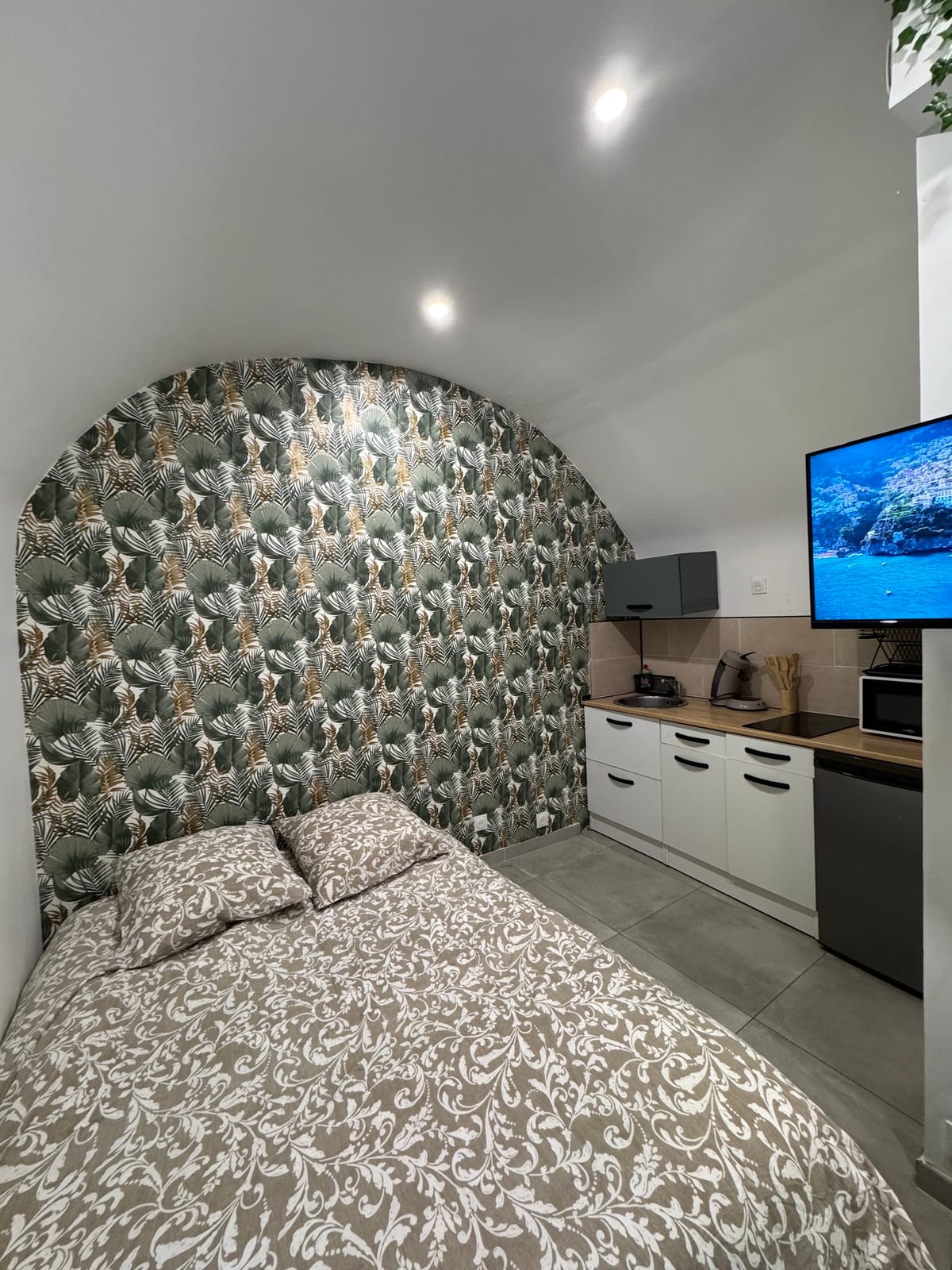
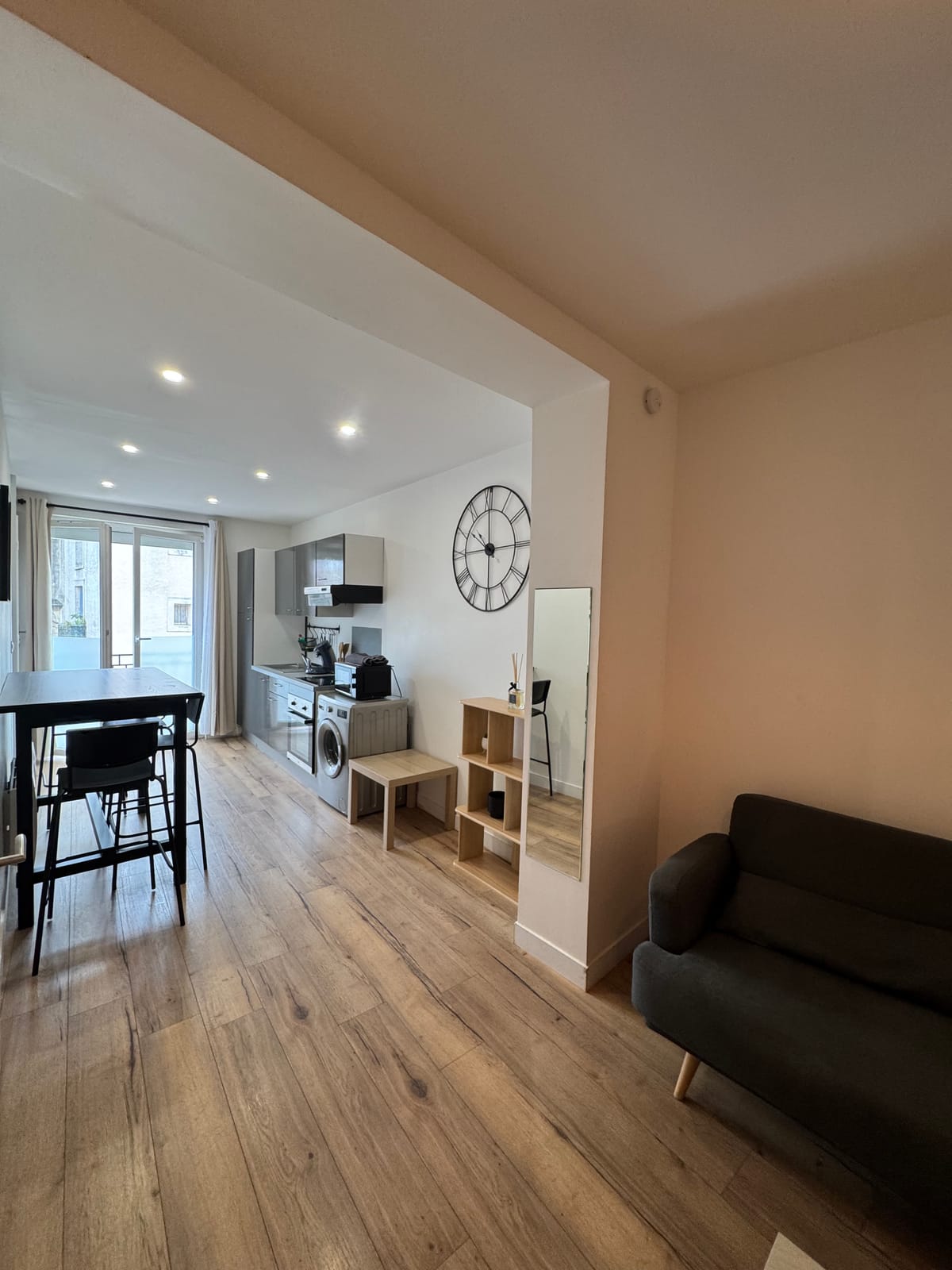
On two, the studio suitable for a stay rhythmic by roundtrips : double bed, kitchen equipped to cook what has been reported from the market, mobile air conditioning for summer nights. Family, the duplex welcomes 4 travelers in 2 bedrooms, and its washing machine is serviced after a day of sand and salt. Independent arrival by key box between 5pm and 11pm, without minimum night.
To explore the rest of the Thau Basin, the page dedicated to Bouzigues extends the exit to the edge of the pond, and that of Frontignan covers the neighbour of the canal of La Peyrade.