A village in the centre of the department
Saint-Pargoire has 2,501 inhabitants over 23.9 square kilometres, the southernmost village in Gignac Township. It is located 35 kilometres from Lodève and Béziers, 45 kilometres from Montpellier and 20 kilometres from the sea, a real geographical center of the department of l'Hérault. The Paulhan interchange, 5 kilometers away, gives direct access to the A75.
38 minutes by the A75
From the accommodation, Saint-Pargoire joins in 40.2 kilometers, for about 38 minutes of road, in fluid circulation. The commune extends over 2,400 hectares, between the arid garrigues overlooking Villeveyrac and the left bank of the Hérault, with a peak at 190 meters at the Mass de Vedel.
A Gothic church and a pine forest planted by the village
The church Saint-Pargoire, in Gothic style, dates from the 14th century and has been listed as a historic monument since 1862. The vineyard occupies nearly 1,000 hectares of the territory, with a cooperative cellar renowned for its wines. Along the Sète road, a pine forest called "plantation" was planted in 1931 by the inhabitants of the village : about 100 varieties of pine and cypress trees, on 40 hectares.
A village of menhirs and legends
The name of the village would come from Pargoire, a rich Corsican lord martyred with his slaves at an uncertain time, whose remains were transported near Savone, Italy. Populations were already present at Saint-Pargoire 3,000 years B.C.E. : several menhirs and dolmens testify to this, including the menhir of Saint-Pargoire, a stone erected 3 metres long in the 1930s. In 1976, the Hérault department still had more than 130 menhirs.
A weekly market and on-site services
A market is held every Tuesday morning, and the village has a pharmacy, three doctors, a physiotherapist and a dentist. A local party animates Saint-Pargoire on the first weekend of August. The station closed in 1970 with the line linking Paulhan to Montpellier. In economic terms, 209 establishments are located in the commune, and agriculture, formerly carried by 234 farms in 1988, now includes 94, on an area of 866 hectares. Many associations also animate the village, sports, such as judo, petanque, football, hunting or boxing, and festive, with a folk band and musical groups. A Protestant temple, located at the crossroads of Avenue de la Gare and Rue du Temple, completes the religious heritage, alongside the mission cross of the early nineteenth century.
For whom this base makes sense
- A stop on the A75 road : Saint-Pargoire meets in 38 minutes, 5 kilometers from Paulhan interchange.
- A discovery of the vineyard of the center Hérault The cooperative cellar and pine forest planted in 1931 were visited on the same day.
- A trading day : on Tuesday morning, the village centre is simmering for the races.
Studio or duplex for this stay
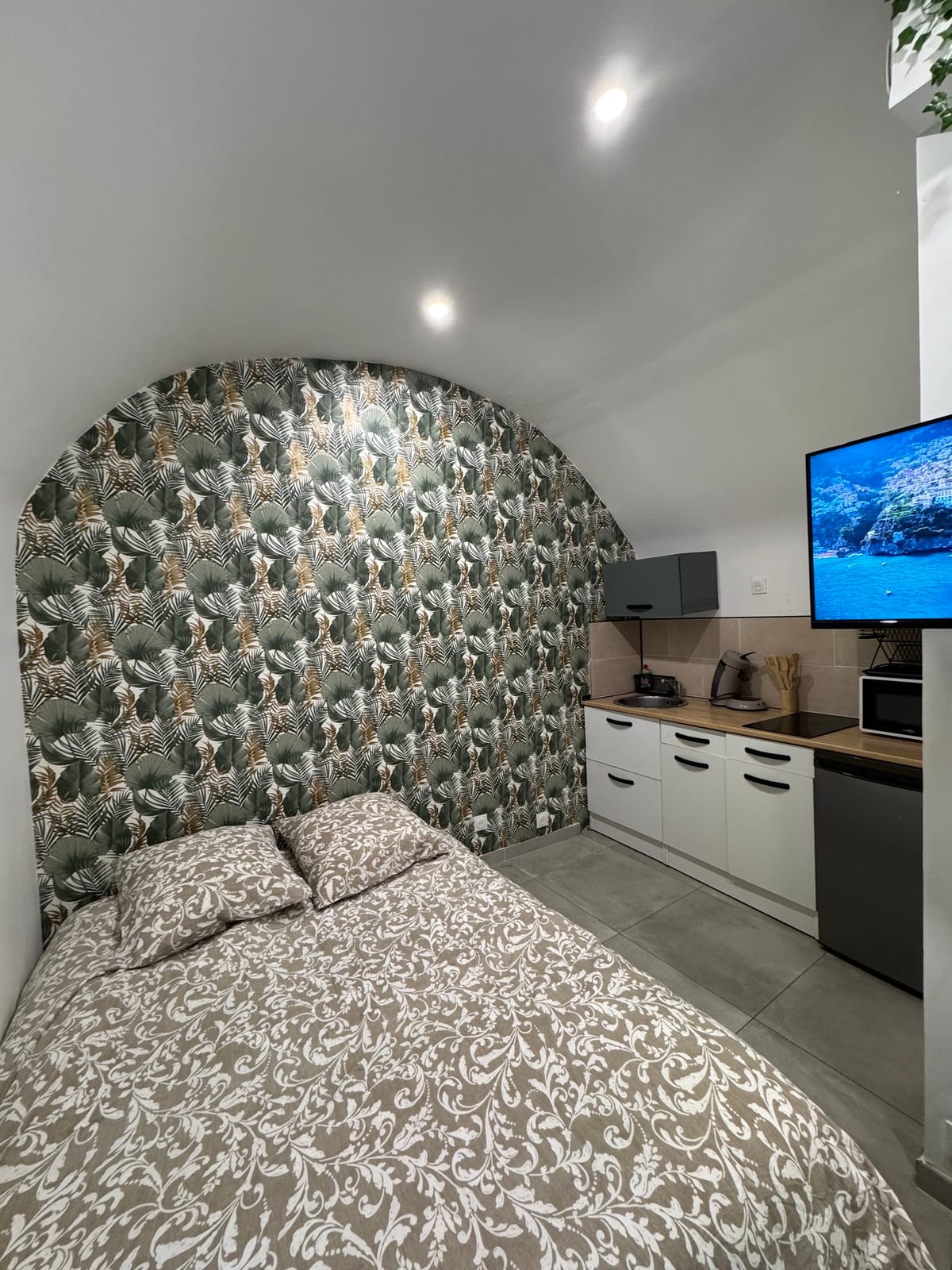
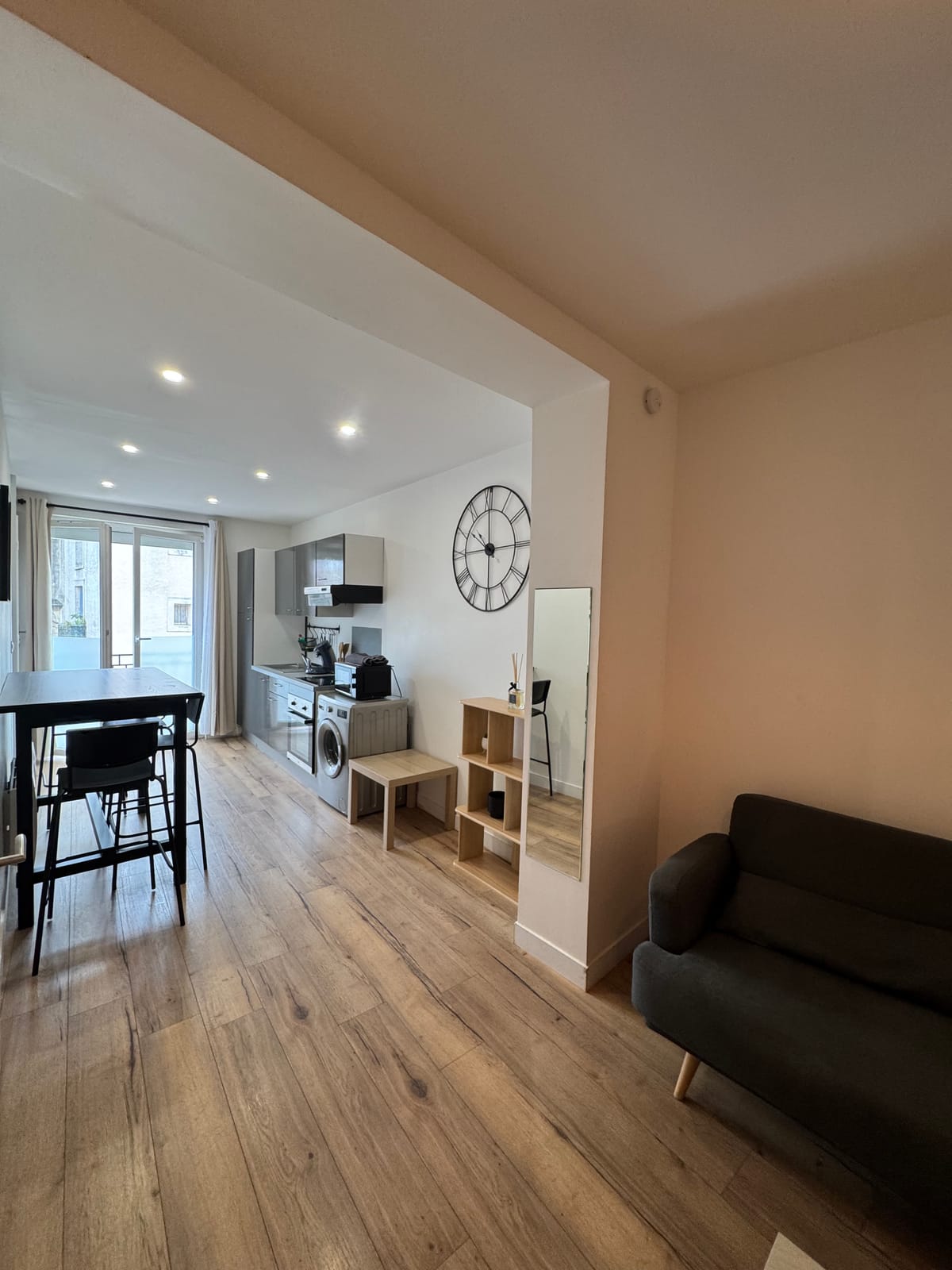
For a stop on the road to the center of the department, the studio Just two, with its workspace for a break before returning to the road. For a longer stay towards the vineyard, the duplex offers an equipped kitchen to cook local products. Both units are in downtown Saint-Jean-de-Védas, with quick access to the A709 and then the A75.
To continue towards the centre of the Hérault, the page dedicated to Villeveyrac extends this road to the villages next to the vineyard.