Cazevieille, the Saint-Loup peak on its territory
With its narrow streets around the church, Cazevieille brings together 233 inhabitants, one of the smallest villages in the area, northwest of Montpellier, not far from Saint-Mathieu-de-Tréviers and Saint-Jean-de-Cuculles, and sometimes referred to locally as Cazevieille-Pic-Saint-Loup. The summit of the pic Saint-Loup, at 658 meters above sea level, is located on the territory of the commune, at the border with Saint-Mathieu-de-Tréviers. The cliffs of the massif are home to three endemic plant species, the Erodium foetidum, the Saxifraga cebennensis and the Hieracium stelligerum, and the site is classified Natura 2000 under the Habitats Directive, on 4,430 hectares of lawns and garrigue to juniper. The garrigue around the village also includes several pools, including the Sueuilles pond, the Palles pond and the Courrière pond, typical water points of this limestone plateau, to be found on the way to the summit.
Dolmens and menhir, the remnants of the garrigue
The municipality keeps numerous tumulus dating from the Chalcolithic, copper age, which attest to a human presence from prehistoric times. Several dolmens are recorded on its territory, including the dolmen of the Grand Juyan de la Figarède, the dolmen of the Mare de Roubiac, the dolmen of the Grand Juyan de Roubiac and the dolmen of Limit 1, as well as a menhir of Caucalies. However, no trace of the Gallo-Roman or wisigothic period was found in the commune : the habitat of this period was probably not constructed of stone, which explains the absence of built remains.
The mas de Cazevieille
The Mas de la Tourrière, the oldest in the area, dates back to the seventeenth century. Around it were built other mas, the Figarède, Roubiac and Sueilles, the latter built in 1590 to install two daughters of a local family, whose name would come from a word that means piles of stones, because the mas was built on an old glass factory destroyed. The Causse, built around 1600, as well as Courtès and Peyre-Brune, built at the same time in addition to the Figarède and Sueilles, complete this ensemble. The most recent, Hubac, was built in the 18th or 19th century, in the Fombétou Valley. These mas scattered in the garrigue, more than the village itself, make up the bulk of the communal territory.
Join Cazevieille from the accommodation
The journey to Cazevieille takes 34 minutes of road for 29.5 kilometers, in fluid traffic, crossing the north of the Montpellierian agglomeration and then the first reliefs of garrigue. The municipality has 44 establishments, 25 per cent of which are in specialised activities and administrative services, 11 out of the total, a sector which remains the largest employer in the wine sector. It now occupies four farms, compared with only one in 1988 for a used agricultural area of 26 hectares.
Three reasons to go through Cazevieille
- A hike to the top of the Saint-Loup peak : Cazevieille is one of the two classic starting points of the ascent, with Saint-Mathieu-de-Tréviers, on most of the great hiking trail number 60.
- A prehistory exit The dolmens and the menhir of the commune are of interest to the curious ancient archaeology, in a territory that keeps few traces of the following epochs.
- A quiet stay With 233 inhabitants, Cazevieille offers a complete contrast with downtown life in Saint-Jean-de-Védas.
Studio or duplex for a stay near Cazevieille
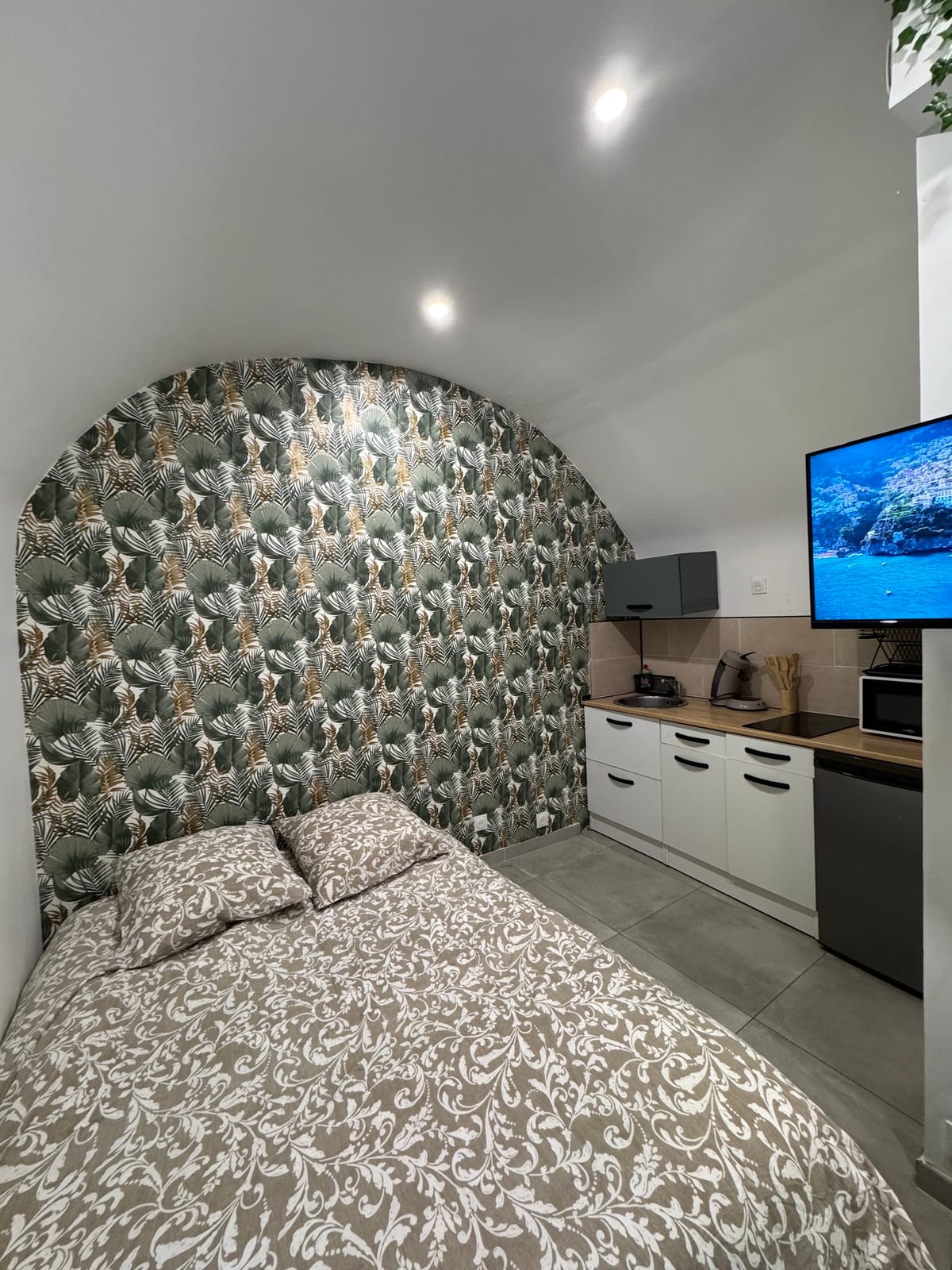
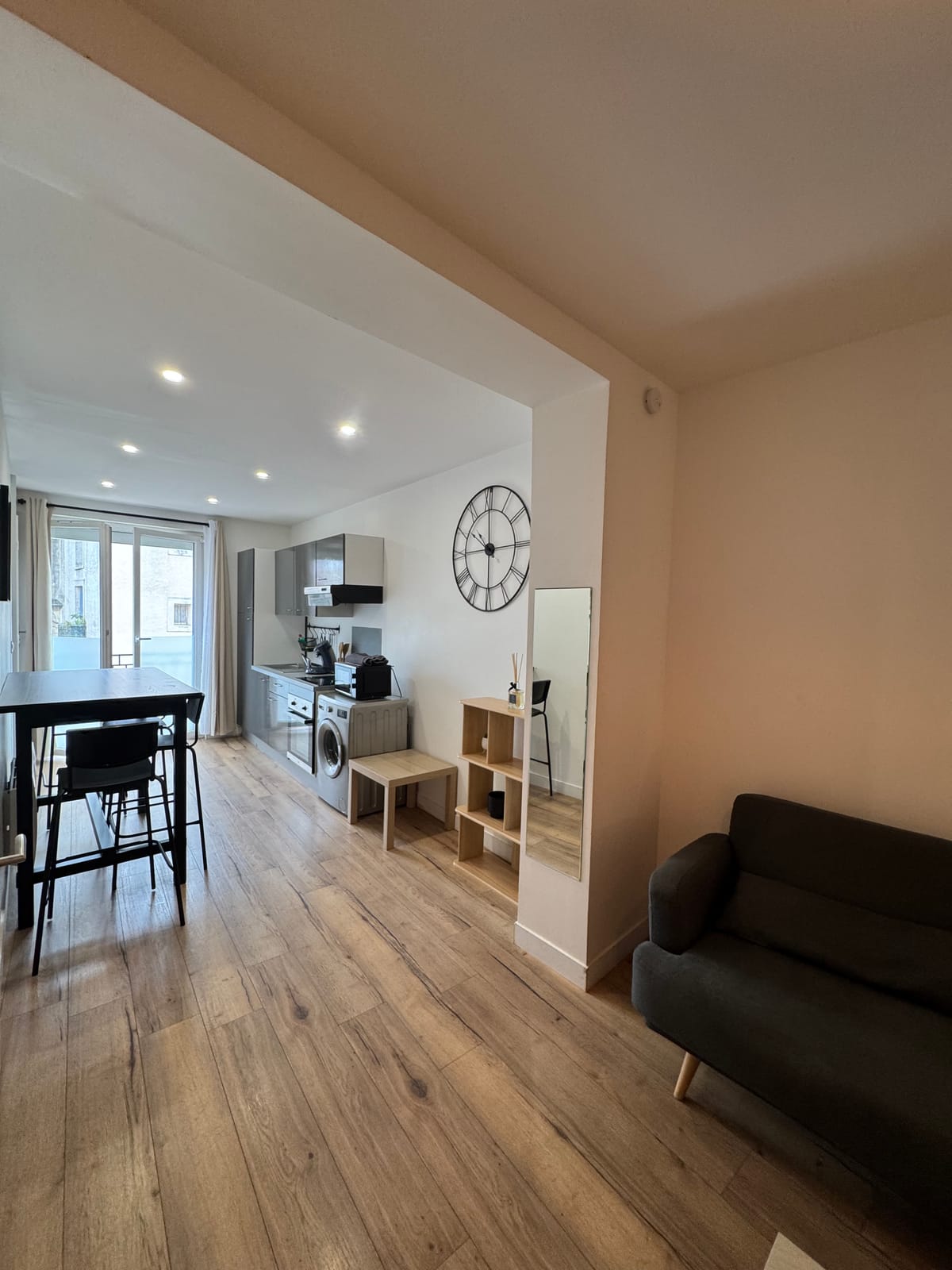
For two hikers coming to the Saint-Loup peak, the studio enough, with its double bed and workspace to prepare the itinerary. The duplex Better suited to a group that runs several hikes over several days, with its washing machine to rinse the walking business between two exits. Both units share the same address in downtown Saint-Jean-de-Védas, with free parking in the immediate vicinity to leave early in the morning.
For the other starting point of the hike, the page dedicated to Saint-Mathieu-de-Tréviers details access to this village, on the other side of the massif.