A vineyard between the Gardiole and the sea
Mireval has 3,301 inhabitants in a territory of 11.2 square kilometres and extends between the Gardiole massif and the Mediterranean Sea, 15 km southwest of Montpellier. Since 31 December 2002, the municipality belongs to the community of Sète Agglopole Méditerranée. The village is nestled between the Garrigue and the Palavasian ponds, a situation that explains both its wine tradition and its natural richness. The municipality has 282 establishments, of which 22% are in commerce, transport, accommodation and catering, a proportion close to the departmental average of 28%. For a traveller, this gives a human-sized stage, between vines and reeds, a quarter hour from the Mediterranean.
The journey from Saint-Jean-de-Védas
The journey from Saint-Jean-de-Védas takes 10 minutes, for 10.4 kilometers, by the road that runs along the foot of the Gardiole. It's short enough to combine a morning in Mireval and an evening by the tram, seven minutes walk from the accommodation.
Muscat, a wine from the Middle Ages
Mireval's muscat has been mentioned since the Middle Ages : already in the 16th century, Rabelais evoked, about Montpellier, the "good wines of Mirevaux and joyful company". The vineyard still occupies a large part of the communal territory, on this coastal strip classified as a vineyard plain, with hills emerging towards the west. The commune is part of the canton of Frontignan, in the south of the department, between coastal garrigue and seafront. However, the number of farms fell sharply, from 56 in the 1988 to 14 in 2020 census, and the agricultural area used increased from 247 hectares to 87 hectares over the same period, giving more room for residences and service activities.
Palavasian ponds, a protected nature
The village is affected by the Palavasian ponds, a wetland protected by the Ramsar Convention and the Natura 2000 network, where the purple heron, the reeds' busard and, more rarely, the starling butcher nest. Several spaces are acquired by the Conservatoire du littoral, including the pond of Vic, on 1,808.1 hectares, and the salines of Villeneuve, on 210.1 hectares; The Creux de Miège, more modest with its 32.4 hectares, completes this protective device. A passage through a square from the heart of the village makes it possible to reach on foot the surroundings of the Vagaran pond, one of the water bodies that border the commune, not far from the Maupas and the Boulas marsh, two other wetlands of the communal territory.
Castle, medieval gate and church of Sainte-Eulalie
The village preserves several traces of its medieval past : the castle of Mireval, a door of the city of the twelfth century and the parish church of Sainte-Eulalie, rebuilt in 1900, which houses a painting of the 17th century Crucifixion, an 18th century wooden Christ and a golden wooden Virgin of the same period. On the Gardiole hill, the Mireval circuit, a former motorcyclist and motorcyclist circuit, was purchased in 1984 by Goodyear, which made it a test centre today strictly private.
The Léo-Malet cultural centre, a room that comes out of the ordinary
Inaugurated in 2007, the Léo-Malet Cultural Centre offers a modular room from 70 to 305 seats, on a stage of 200 m2 : it takes 20 minutes to switch from a stepin configuration to a cocktail configuration. It is one of the most unique cultural facilities in the vicinity of Saint-Jean-de-Védas, useful for a stay that combines spectacle and vineyards.
Studio or duplex to discover the vineyard
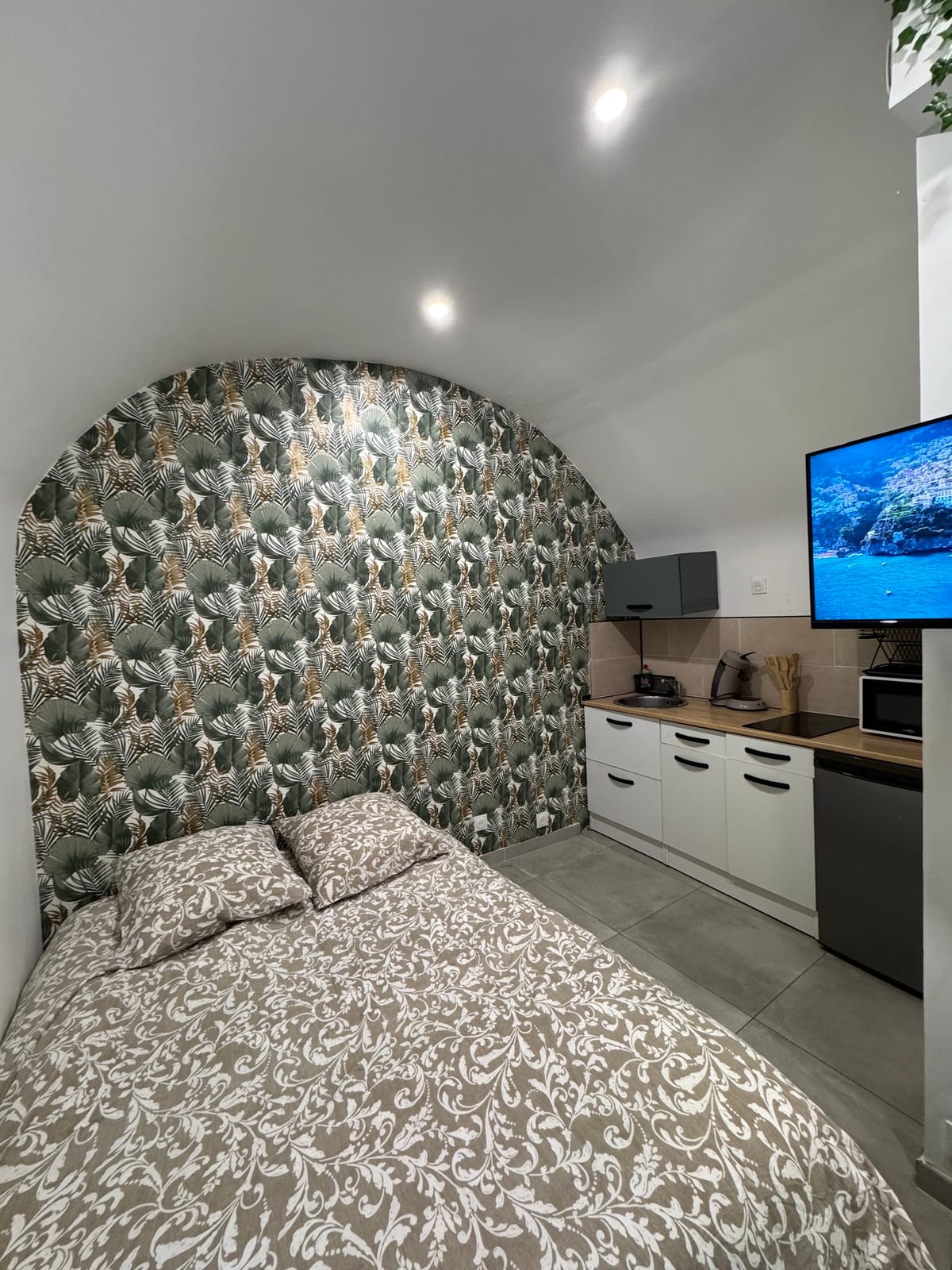
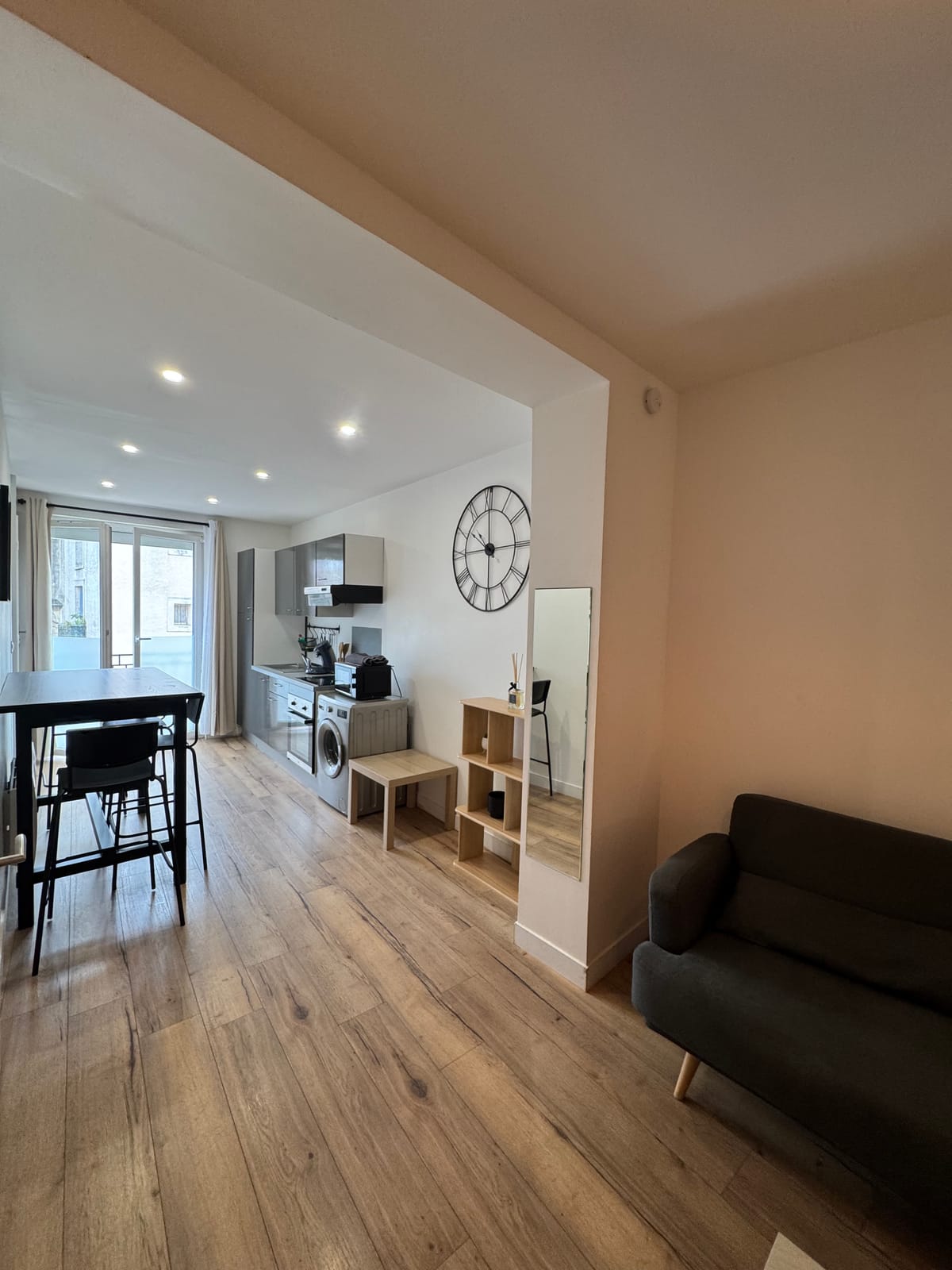
For a two-way tasting weekend, the studio enough, with its kitchen equipped to cook the products reported from the village. With family or friends coming for a show at the Léo-Malet centre, the duplex offers two bedrooms and three beds. The two units are in the centre of Saint-Jean-de-Védas, seven minutes walk from the tram, to combine outings in Mireval and evenings in Montpellier. The page devoted to Villeneuve-lès-Maguelone, another near coastal municipality, completes this stage.