A village shared between vineyards and pond of Thau
Bouzigues has a population of 1,601 and extends along the north shore of the Thau pond, between high vines and shellfish parks on the waterfront. The commune is part of the community of Sète Agglopole Méditerranée and has seen a sharp increase in its population since 1962. The village is traditionally divided into two groups, a division observed by ethnologists : the wine growers, settled in the top of the village around the church square, and the "people of the pond", fishermen and oyster farmers, settled in the bottom, near the port.
17 minutes enough from Saint-Jean-de-Védas
17 minutes are enough from Saint-Jean-de-Védas, for 21.9 kilometers, along the shore of the pond of Thau to the village.
An oysterry tradition born in the 20th century
Since the beginning of the twentieth century, Bouzigues has made known for the breeding of oysters and mussels in suspension, a method taken up in several shellfish basins, distributed under the name Bouzigues. This activity remains today the economic engine of the village, now linked to tourism.
Thau pond museum and village beaches
The Thau Pond Museum, opened on 21 October 1991 as the Louis-Higounet Museum, traces this shellfish culture and the fishing and natural environment of the pond. Two beaches border the village, the Trémie beach and the Pyramide beach, for a break before or after a tasting, on the edge of a pond rather than facing the swell. The pond itself is classified Natura 2000 : under the Habitats Directive on the 8 320 hectares of the herbariums of the Thau pond, and under the Birds Directive on the 7 770 hectares of the area extending to the Lido de Sète in Agde. It is a site of international importance for the pink flamingo, a landmark for those who like to observe birds between two visits to oyster parks.
Troglodytic fishermen to coopers, a water-oriented story
The first inhabitants of Bouzigues lived troglodytically in excavations dug from the shore, before the village became agricultural and then made a name in the cooperage. In the 17th century Bouzigues was divided between two lords : the Bishop of Agde, who exercised high justice, and the family of Bouzigues, who held the average and the low justice. The name of the village itself derives from the occitan bosiga, which designates a wasteland or an essart, attested as early as 1146 in the form "ecclesiam S. Jacobis de Bocigis". During the French Revolution, people gather in a popular republican society. Agriculture, which has long been dominant, collapsed : of 56 farms in 1988, only 3 remained in 2020, on a used agricultural area of only 11 hectares, oriented towards polyculture and polyfarming rather than vines.
Two bands, two sets of balls
The break between wine growers and the people of the pond is found even in leisure : two bands have long opposed one another, and each group had its own game of balls, that of the wine growers on the church square, that of the fishermen on the port. The municipality has 189 establishments, of which 46.6% are in trade, transport, accommodation and catering, representing 88 out of the total : a revealing proportion of tourism and the direct sale of shells.
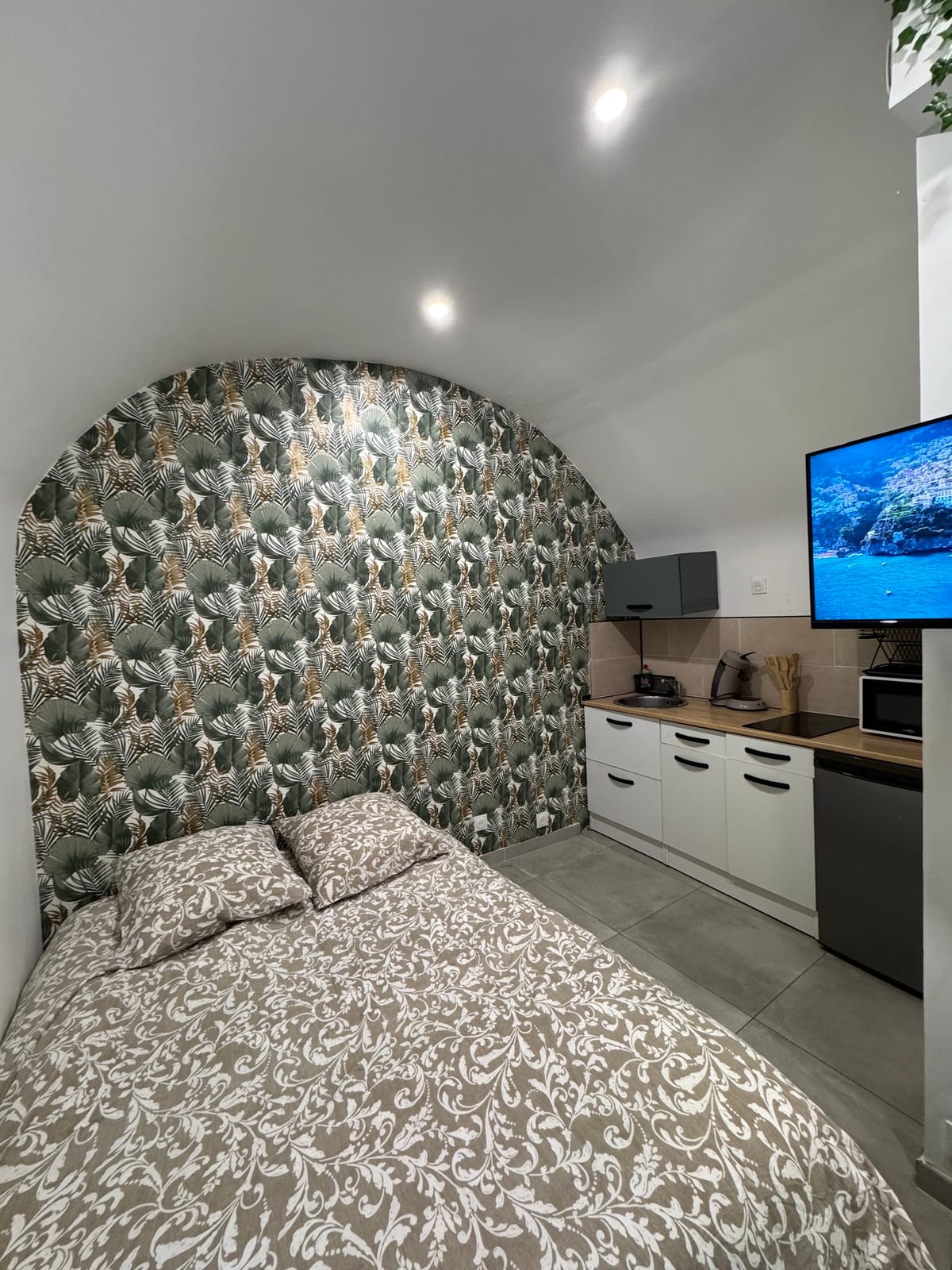
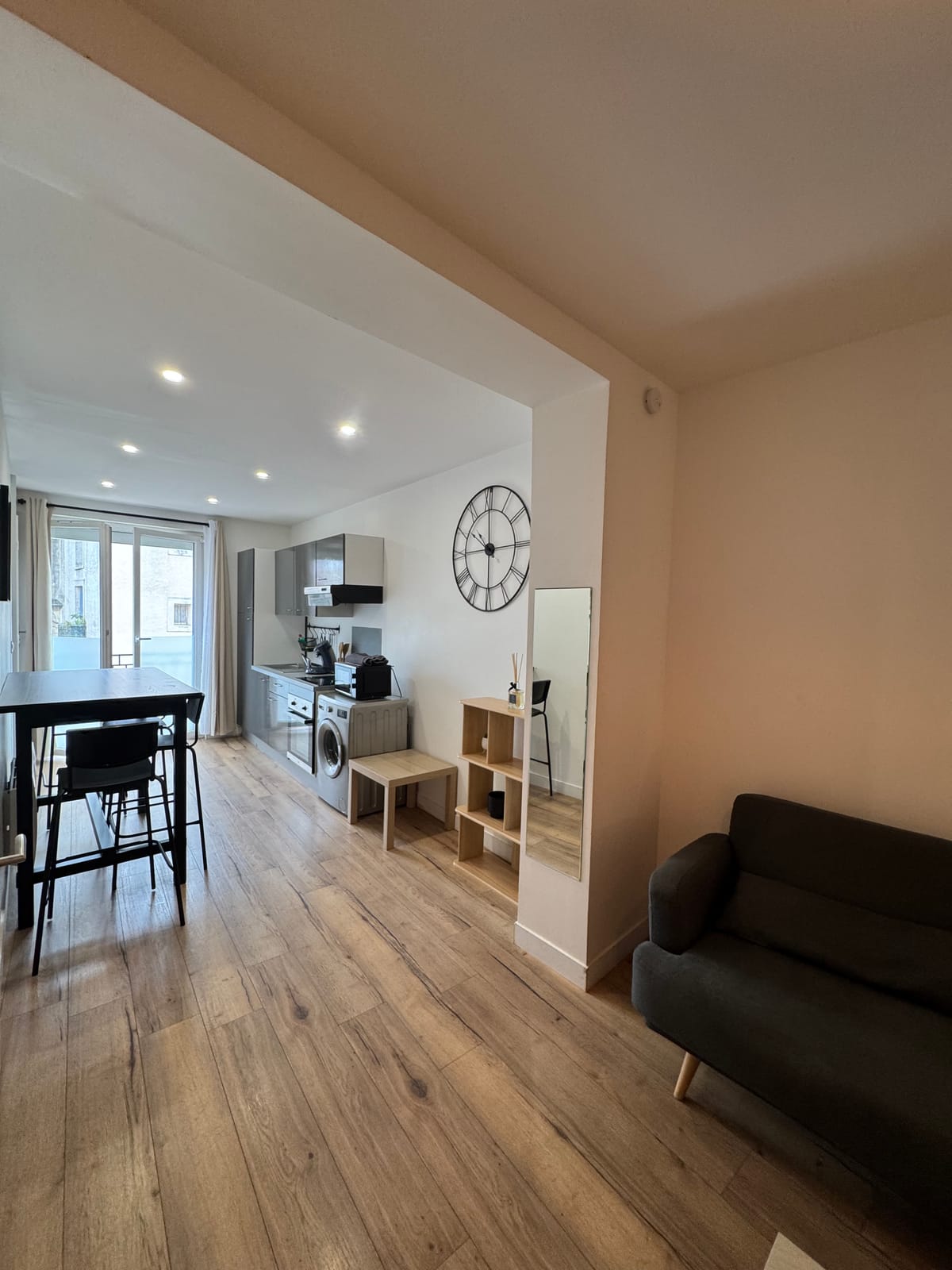
Studio or duplex for an oyster break
For a two-way tasting by the pond, the studio offers a convenient equipped kitchen to cook the shellfish reported from Bouzigues. In groups, the duplex offers two bedrooms and a washing machine, useful after a day spent between the museum, beaches and oyster parks. The page devoted to Loupiannext to the pond, completes this step.